By Barbara LaMonica
The man was convented before the court because he was a footpadder.
The man was called before the court because he was a mugger.
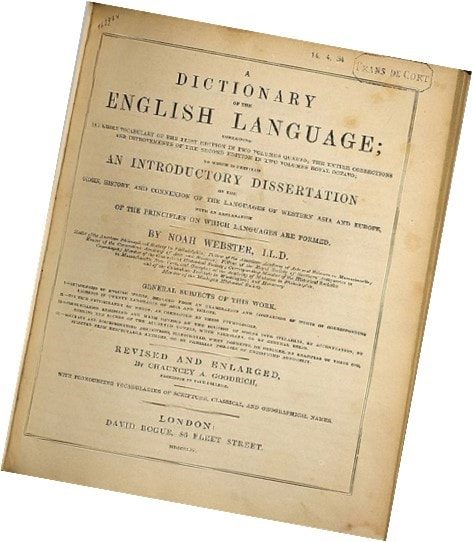
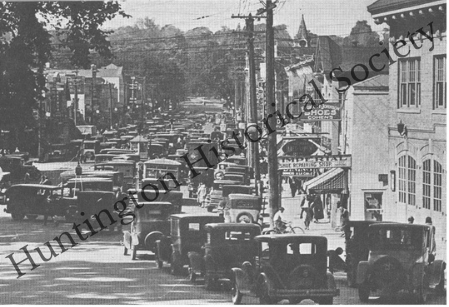
Economic changes, evolving social norms, urbanization, technological innovations, and political upheavals change word usage over time. For example, in the colonial era the word ear-mark referred to a cut on the ear of a farm animal indicating ownership. Today we earmark to designate funds, or to describe a characteristic such as the earmark of a good novel’s timeless themes. In this case we can see that contemporary usage has eclipsed the original rural meaning.
There are many ways a word can change. The definition of a word can be broadened such as the word cloud, a natural atmospheric phenomenon. Its meaning today includes cloud computing or storage of data remotely on information servers “in the cloud”. Conversely, a word can narrow or become more specific over time. For example, the word starve used to mean to die in general, it now means to die from lack of food. In the past the word hound meant any breed of dog. Today it refers to a specific type of hunting dog. Some words evolve from pejorative to positive. In the past if you called someone nice you meant they were foolish or ignorant, today they are pleasant and likeable. Or it could work the other way around, from positive to pejorative. The word bully once meant a sweetheart, but today someone threatening and aggressive. Then some words simply fall out of usage, bodkin and snowbroth come to mind. *
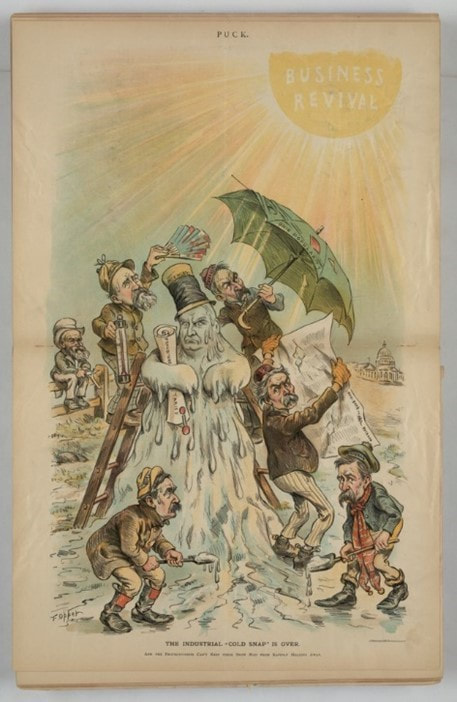
Familiarity with word or semantic changes are invaluable to early American research,
whether you are reading old diaries and letters or studying legal documents. If you are studying an old deed or will you might come across the word enfeoff. Originating in feudal times and still in use in the 18th century, enfeoff means to make a gift of tangible property. Another legal term was Et UX meaning and wife. And if you see the word relic referring to a woman in a diary or on an old tombstone it meant she is/was a widow. Or if someone is a gossip it could mean they are a godparent. In the 18th century mother-in-law was anyone related by marriage including a stepmother.
Below are some more examples of early American words no longer in use or whose meanings have changed.
Bait- To feed a farm animal
Bogue-To walk around
Chuffy-To be rude
Fishy-To be drunk
Gorganize-To have a mesmerizing effect on someone.
Macaroni-A man’s fashionable garment (now we can understand “Put a feather in his cap and called it macaroni”)
Punk-A prostitute
*Bodkin- Sharp pointed instrument, most commonly a dagger. Snowbroth- newly melted snow.