What is Ephemera?
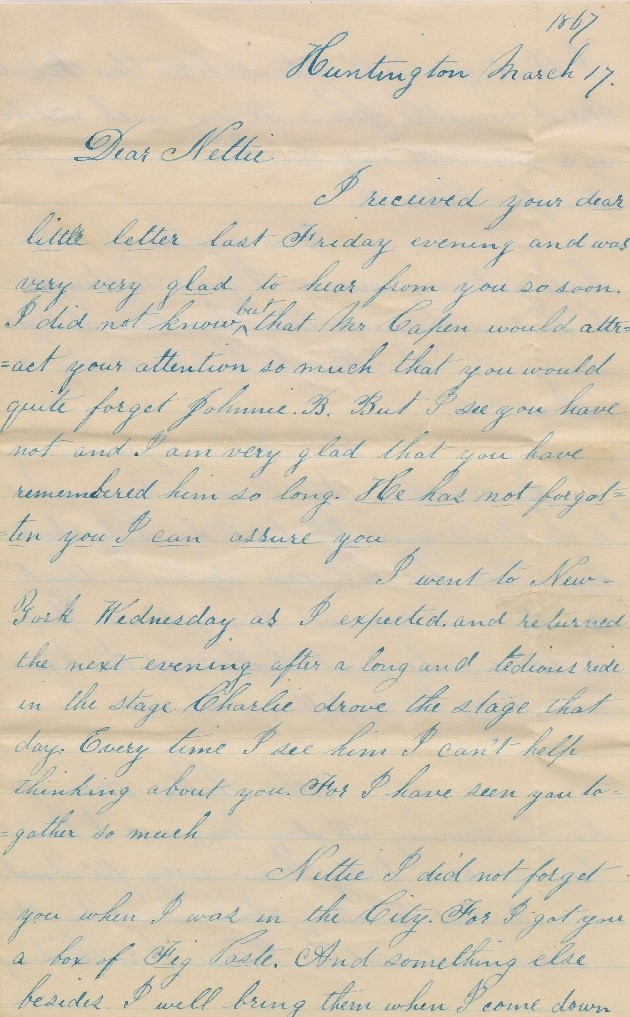
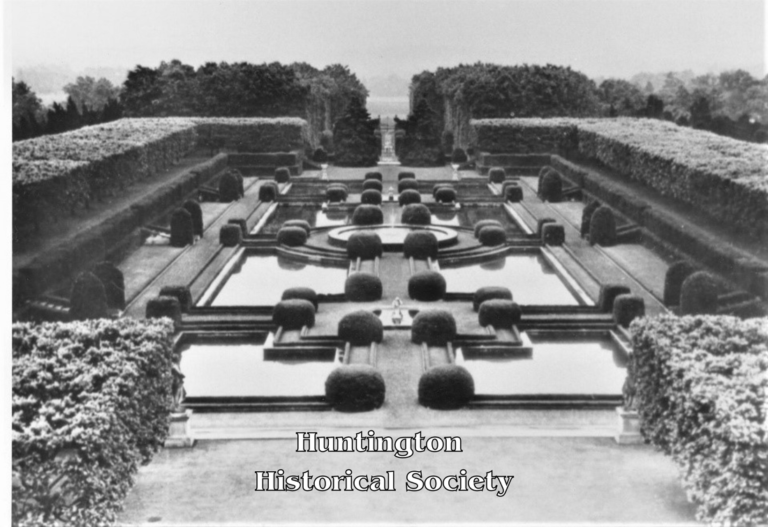
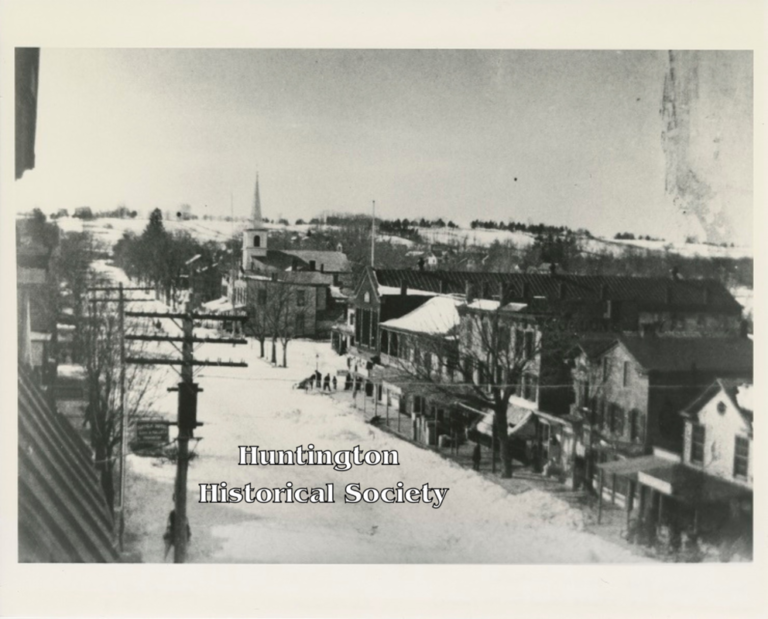
Typically made of paper, ephemera is the name given to collectible memorabilia that was intended for one-time or short term use. Examples include ticket stubs, political flyers, advertisements, maps, invitations, and greeting cards.
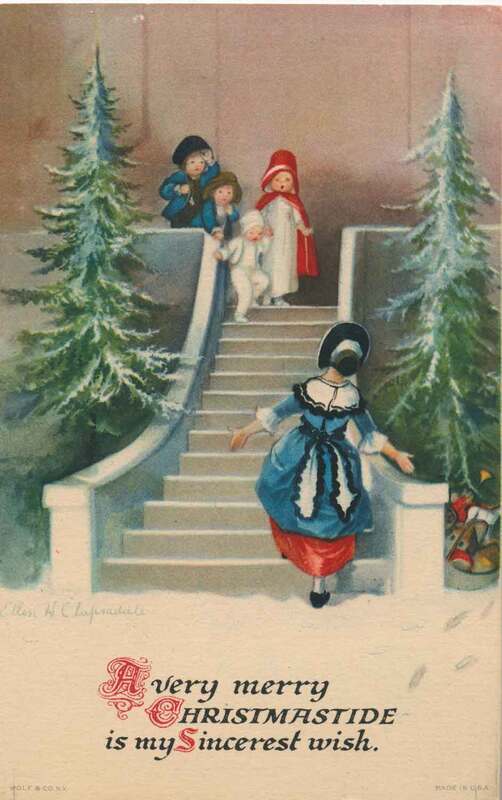
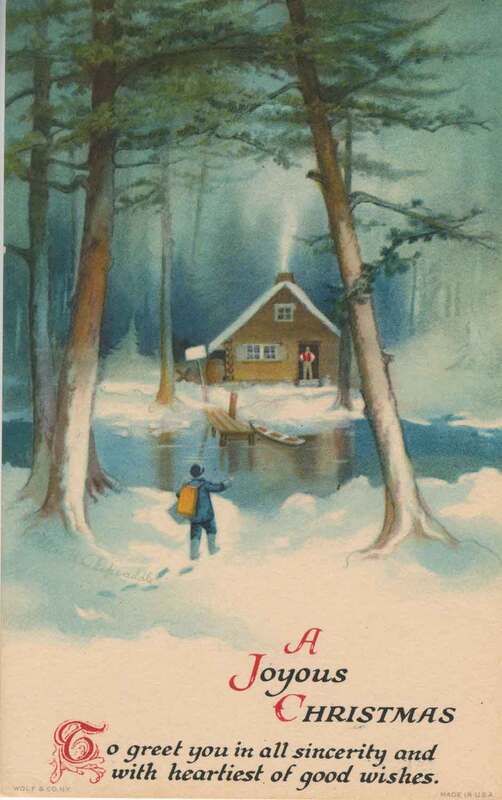
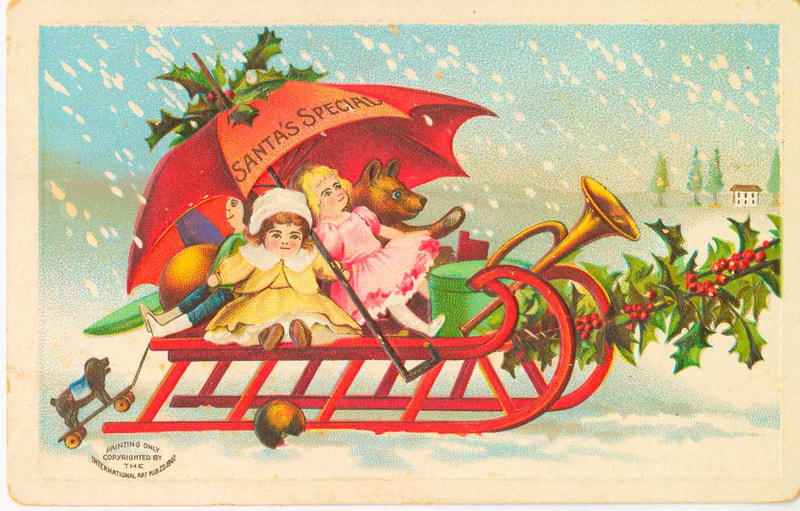
We’re excited to share these examples of holiday ephemera, hand picked by our archives team from The Huntington Historical Society’s collection.
First Christmas Cards
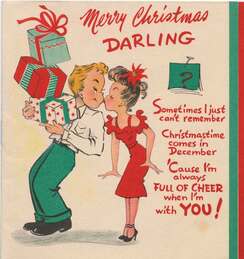
The Christmas card tradition began in England in the 1840s when socialite Henry Cole found answering his stack of holiday mail a daunting task. Therefore, he asked his artist friend, J.C. Horsley, to design and print holiday cards with a salutation. By the end of the century, printed holiday greetings were commonplace in Britain and the United States.
Christmas cards were imported from England and Germany to America until 1874, when printer and lithographer Louis Prang printed the first American holiday greeting cards in Roxbury, Massachusetts. Initially the cards were scenes of woods and nature, but over the years, he included images of Santa and Christmas trees. By the 1880s, he printed about 5 million Christmas cards annually.
Christmas Postcards
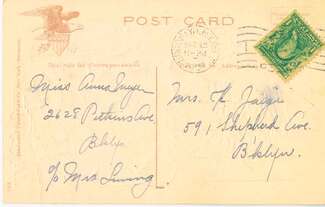
The U.S. Post Office was the only agency allowed to print and produce postcards until 1898, when congress passed the Private Mailing Card Act allowing publishers to produce cards for mailing by individuals. It was stipulated that the back could not be divided into space for both address and message. In 1907, the Post Office allowed postcards with a divided back, where the message was written on one side and the address on another. This is one way to date early postcards that don’t have a dated postmark!
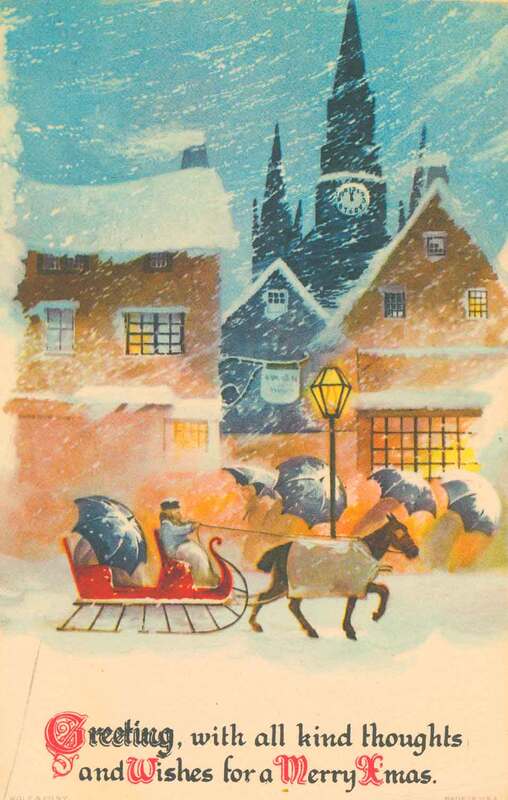
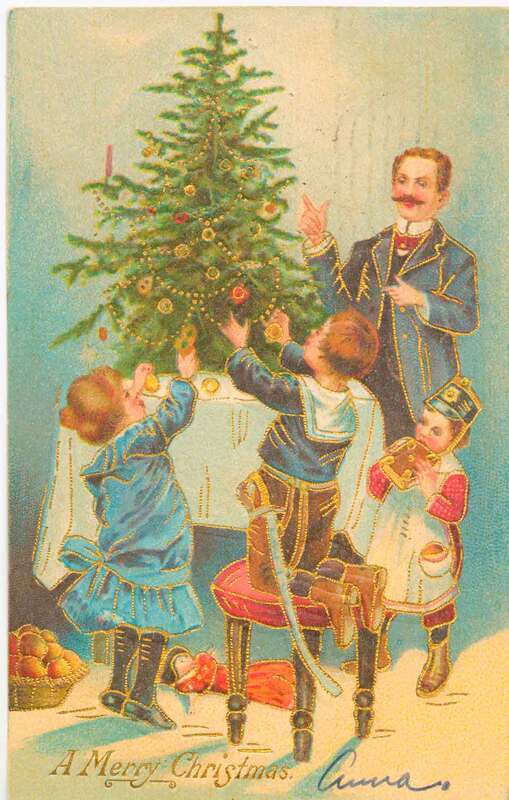
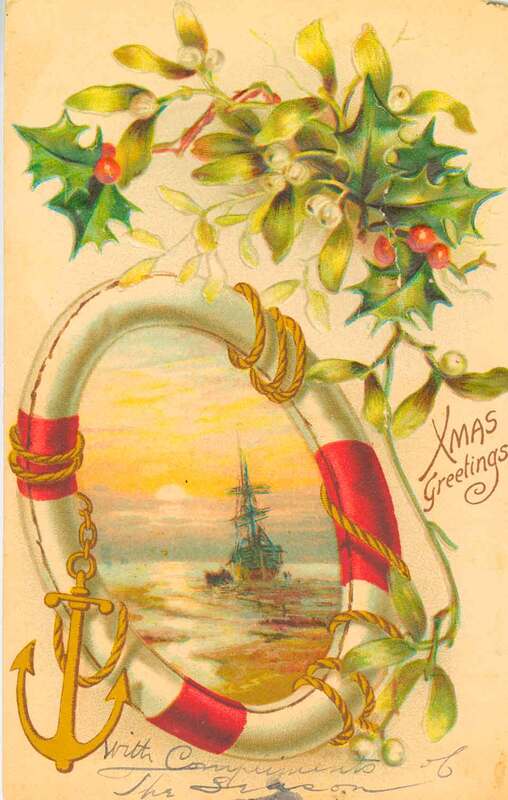
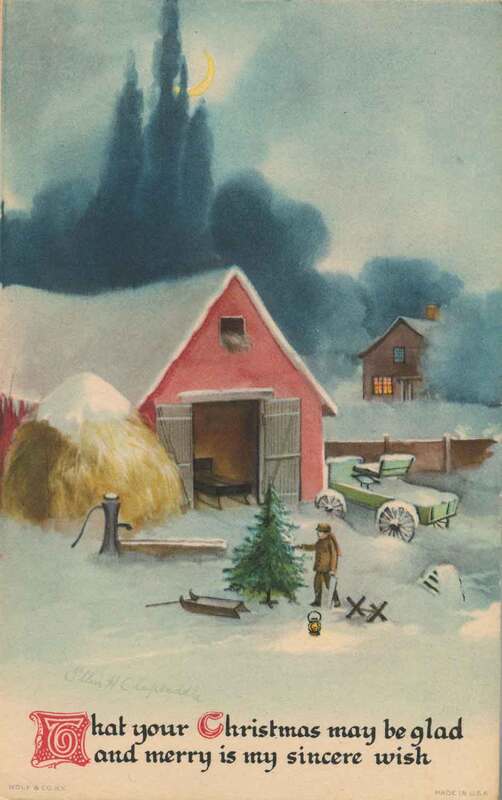
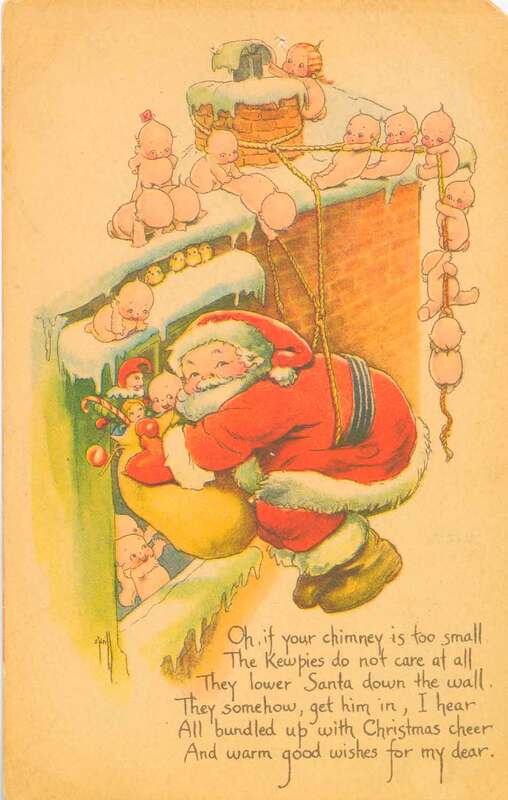
From all of us at The Huntington Historical Society, we wish you a very happy holiday!
The Huntington Historical Society is dedicated to preserving and sharing the history of the Town of Huntington.