Our Founding Mothers… An Exercise in Domestic Feminism
An excerpt from the Huntington Historical Society Quarterly from 1986.

An excerpt from the Huntington Historical Society Quarterly from 1986.
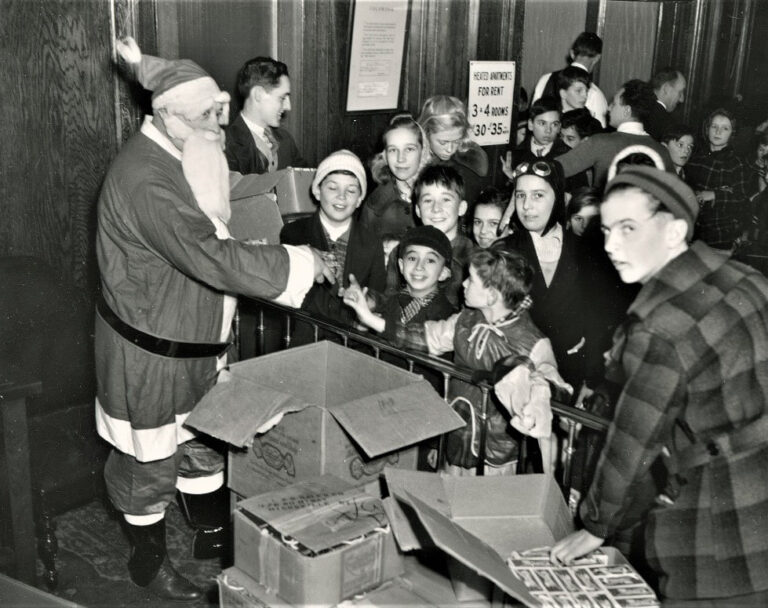
According to the National Christmas Tree Association ,German immigrants introduced the first Christmas trees to the United States in the 1830s. Initially small trees were cut down but eventually larger trees that reached floor to ceiling became popular.
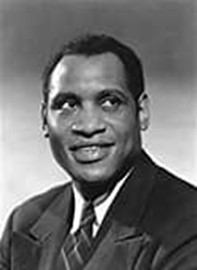
In 1946, Paul Robeson, world-renown African American baritone, actor, and social activist came to Huntington to perform a concert at Toaz Junior High School for the benefit of the Bethel A.M.E. Church’s planned Community Center and Nursery.
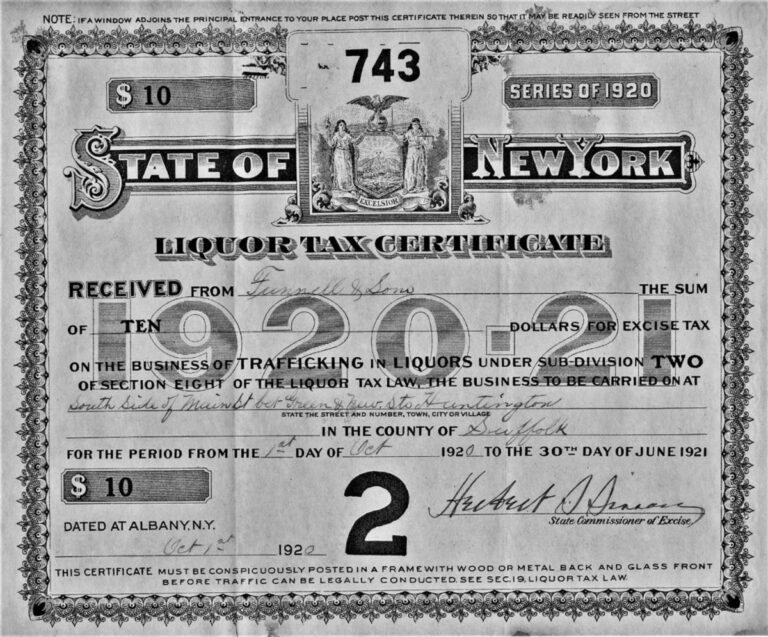
January 12th is Pharmacists Recognition Day and January 19th is the anniversary of the passage of the 18th Amendment to the Constitution in 1919, or Prohibition. The relation between the two is quite interesting.
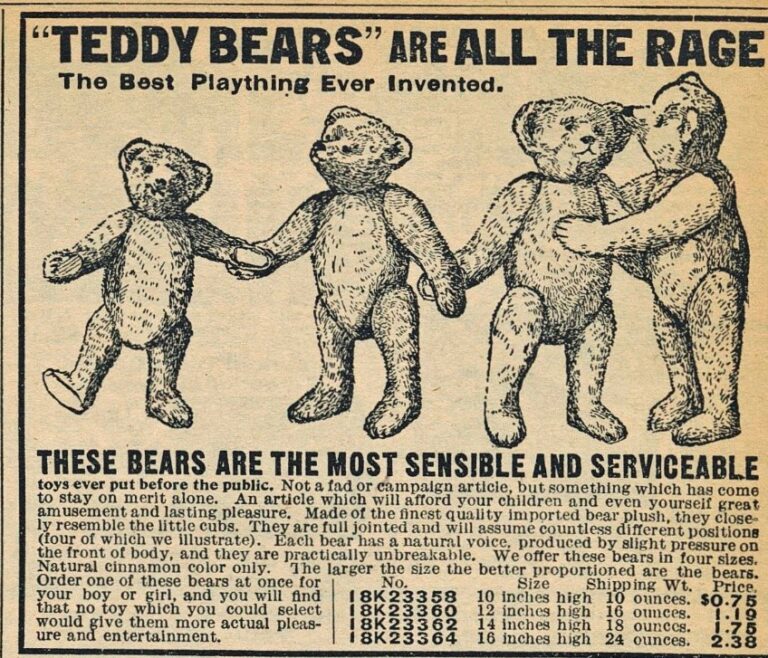
Crayola Crayons first made in 1903 by Edwin Binney and C. Harold Smith. The first erector set introduced in 1913 by A.C. Gilbert. Raggedy Ann dolls came about in 1915 when newspaper cartoonist Johnny Gruelle reproduced them from a doll he had made for his daughter. Lincoln Logs were introduced in 1916 by John Lloyd Wright.
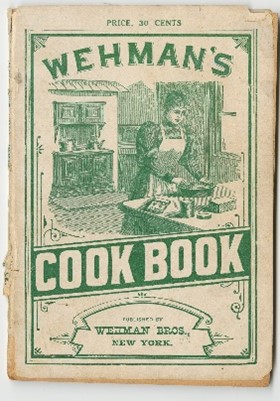
Thanksgiving menus in late 19th and early 20th century Huntington were not that different from our contemporary meals; turkey and stuffing, sweet potatoes, pumpkin pie.
Washington’s belief that African Americans could advance themselves through education in the trades and industrial arts prompted him to establish the Tuskegee Institute in Alabama in 1881.
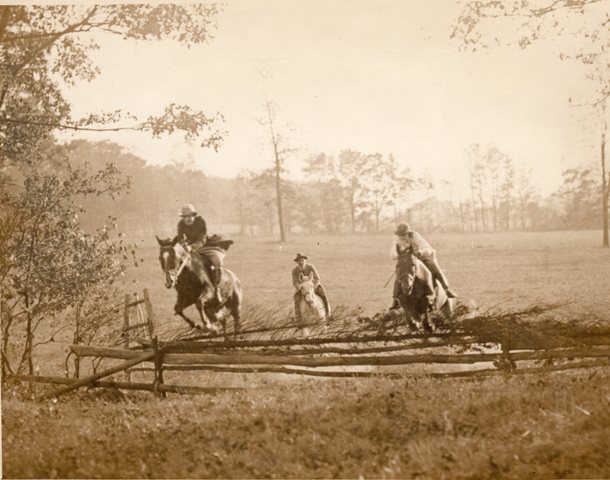
The name Highhold was inspired by the view that the over one-hundred-acre property provided from the Long Island Sound to the Atlantic Ocean.
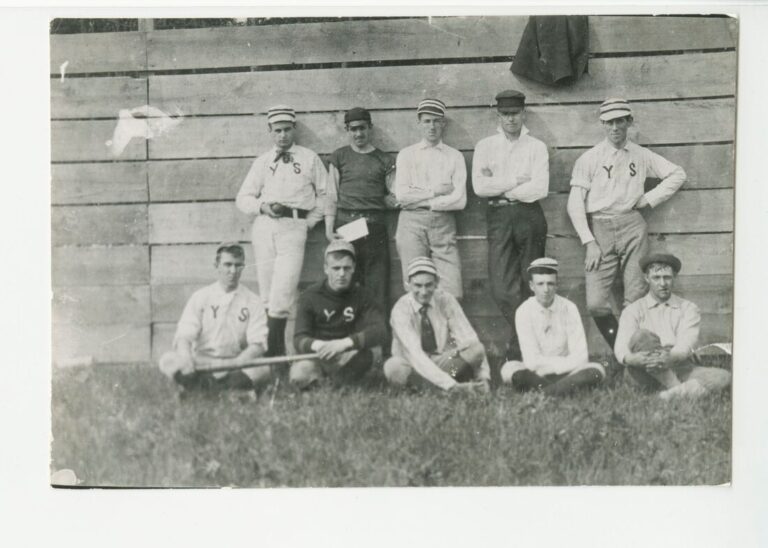
Shortly after the Civil War, baseball’s popularity rapidly spread throughout Long Island. Many towns, including Brooklyn and Queens, (Nassau County was part of Queens until 1899), formed their own baseball clubs.
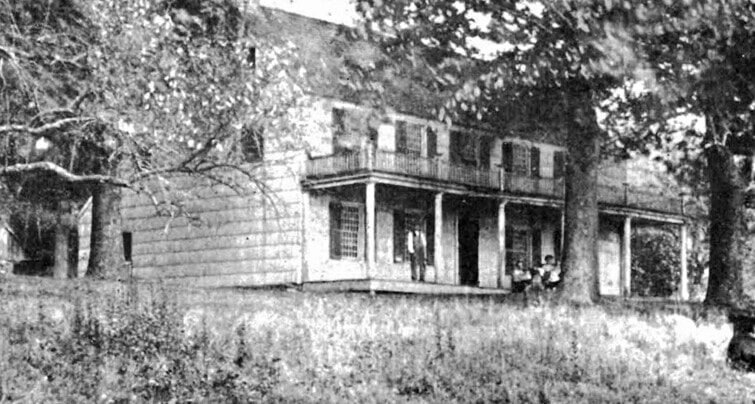
The Town of Huntington, as we know it today, extends from the Nassau County line to the Smithtown line in Commack. And, from the Long Island Sound on the north to the Babylon Town Line in the south. But, it wasn’t always that way.