By Barbara LaMonica, Assistant Archivist
The Huntington Historical Society received a $39,000 grant from the New York State Program for the Conservation and Preservation of Library Research Materials Discretionary Grant Program to conserve and digitize 160 audio cassettes and 16 reel-to-reel tapes comprising the Society’s oral history collection. The goal of the audio preservation is to produce an accurate and intelligible reproduction of the source material and create accessible Mp3 files.
The collection was sent to the Northeast Document Conservation Center in Massachusetts where a total of 244 hours of recordings were transferred, processed, and repaired.
The interviews span the years from the 1950s to the 1980s, and depict through first person accounts, the transformation of Huntington from an early 20th century rural community through the urban renewal efforts of the 1960s-1970s.
Included in this collection is a special project developed in conjunction with the Town of Huntington entitled “Reaching for a Dream.” The project documents the history and contributions of Huntington’s local ethnic communities. Sixty-five persons from the African-American, Italian, and Latino communities were interviewed between 1987 and 1988. The preservation of these oral history interviews insures that a significant part of Huntington’s history, told from the standpoint of local townspeople, will now be accessible to the public.
Reaching for a Dream Oral History
The African-American Community:
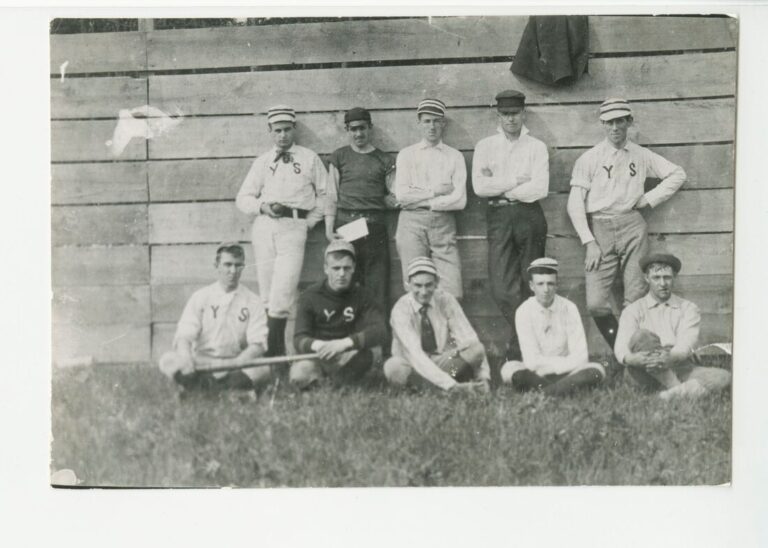
Huntington already had a well-established African – American community during the late 19th and early 20th centuries when the first wave of southern African- American blacks migrated to Huntington. The community they found included descendants of slaves, Native Americans and free blacks, knitted together through churches and kinship.
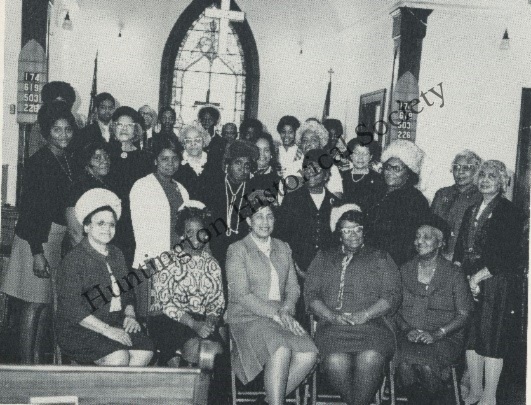
c. 1970
The Italian community:
In the late 1890s through WWI, a large number of Italian men, mostly from southern Italy, came to Huntington in search of work. Huntington was experiencing a building boom at this time that required carpenters, bricklayers, gardeners, and stonecutters as well as unskilled labor. These men would later send for their families and settle permanently in Huntington.
Excerpt from interview with
Jennie Auricchio Avitabile
The Latino community:
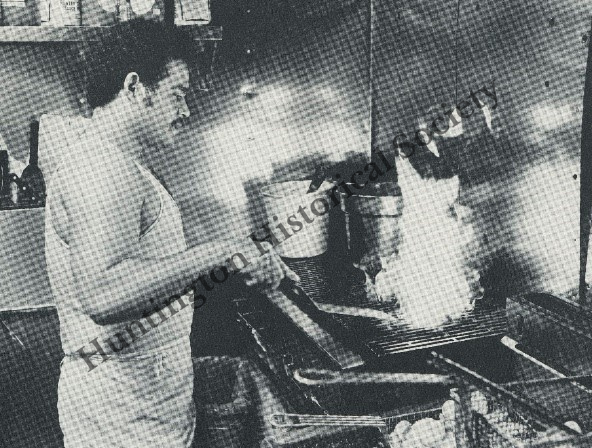
During the second half of the 20th century, Huntington experienced a migration of primarily unskilled laborers from Aquada Puerto Rico. These first immigrants began working on local farms and kitchens in Huntington restaurants. Eventually, immigrants from El Salvador, Cuba, Nicaragua, Mexico and other South American and Caribbean countries would follow.