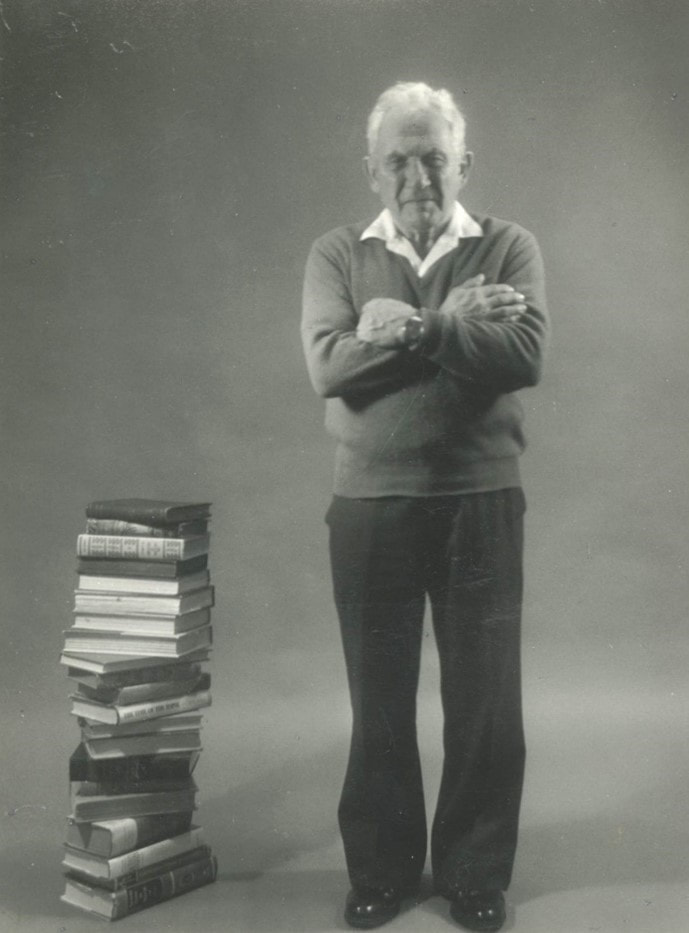
Historical Significance Of Account Books

The Huntington Historical Society archives contain several hundred business and farm account books from the 18th to the 20th century.

By Barbara LaMonica

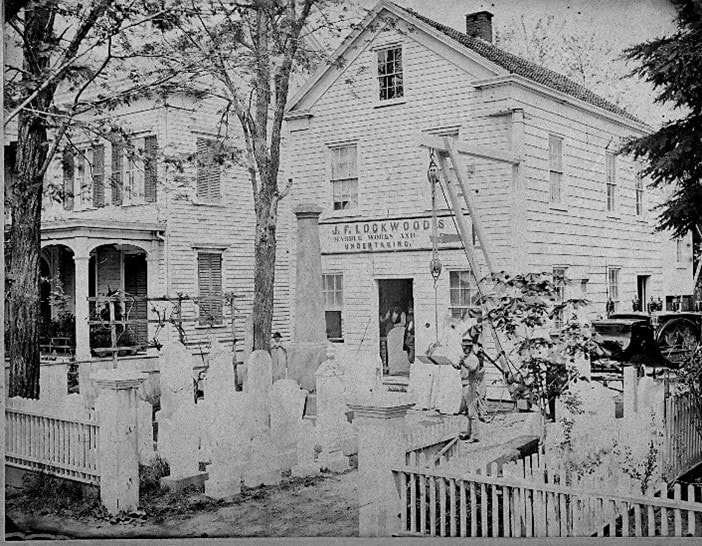
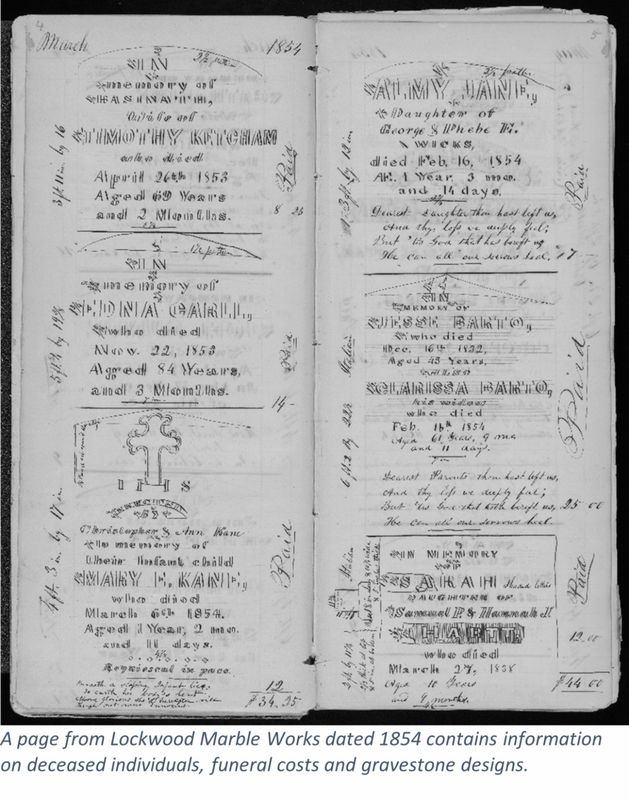
The Huntington Historical Society archives contain several hundred business and farm account books from the 18th to the 20th century. Notable examples include Lockwood Marble Works, Funnell’s Pharmacy, Henry Carll Farm, Crossman Brick Works and various general stores. Account books are a valuable primary source for historians and other researchers because they furnish a detailed description of Huntington’s economic history. We can learn about early occupations, systems of payment and barter, hiring and wages, and the flow of goods and supplies that reflect patterns of consumption as well as changes in the material culture. 
Early bookkeeping required two books; a day book and a ledger. A day book resembles a diary in which daily transactions (or what would later become daily register receipts) were entered in chronological order. At the end of each day that data would be recorded in the ledger. The ledger keeps track of each individual account and shows all debits and credits. 
share this article:

Pinterest
Facebook
LinkedIn
Email
Print
Threads
Reddit

MORE BLOG POSTS FROM THE HISTORICAL SOCIETY

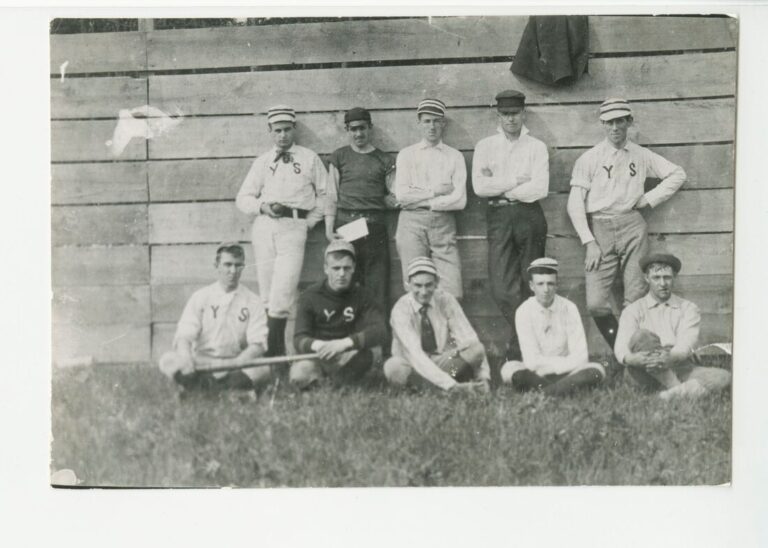
Baseball in Huntington

One of the most famous baseball teams were the Huntington Suffolks. They played for many years under various names including The Huntington Baseball Club, The Young Suffolks, and The Suffolks from Huntington.

Read More

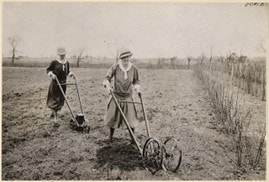
Farmerettes

Before the iconic “Rosie the Riveter” there was another corps of women, widely known at the time, but largely forgotten now, who contributed to an American war effort.

Read More

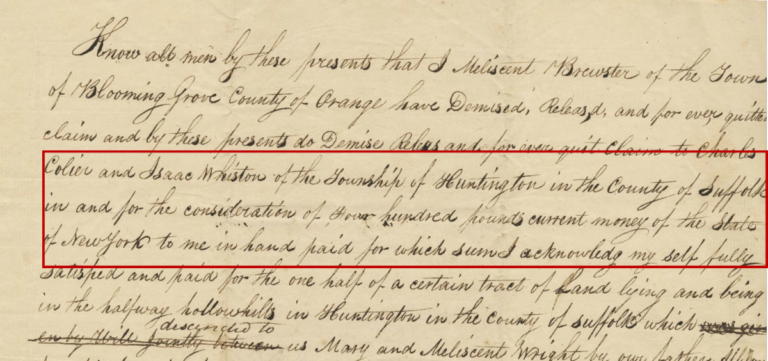
Colonial Money

While going through 18th and 19th century deeds in our archives I noticed that some transactions were noted in “pounds, shillings and pence” years after the colonies won their independence from Britain. Was the United States still using British money, and, if so, why?

Read More