hhs-blog
Farmerettes
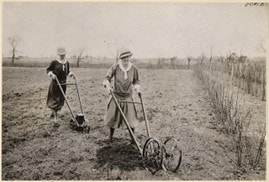
Before the iconic “Rosie the Riveter” there was another corps of women, widely known at the time, but largely forgotten now, who contributed to an American war effort.

Before the iconic “Rosie the Riveter” there was another corps of women, widely known at the time, but largely forgotten now, who contributed to an American war effort.
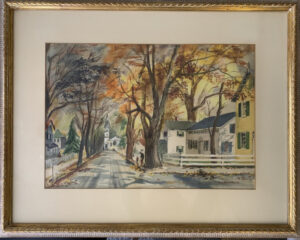
The Huntington Historical Society has just acquired another Helene Glazen, (1898-1987), watercolor entitled “Green Street”, below, which depicts a fall scene of the Huntington street when it was still a residential area.
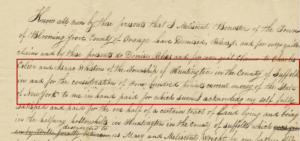
While going through 18th and 19th century deeds in our archives I noticed that some transactions were noted in “pounds, shillings and pence” years after the colonies won their independence from Britain. Was the United States still using British money, and, if so, why?

Unfinished projects are an inextricable product of the creative process. Any craftsperson will echo this sentiment. There are myriad reasons why a piece may be left incomplete – loss of interest, lack of time, and a lack of resources, among many others. Sometimes we return to these projects, but in

So what is the appeal of brick and motor stores? Maybe browsing is more fulfilling than scrolling.

Compared to today Christmases past were simple affairs and the season certainly didn’t last two months!
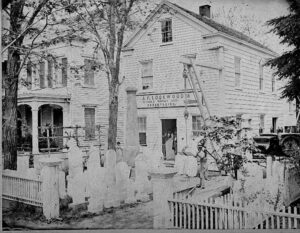
John Lockwood came to Huntington as a young man, and later worked as a clerk for a mercantile house in New York City.
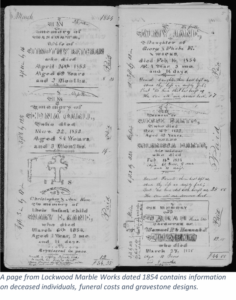
The Huntington Historical Society archives contain several hundred business and farm account books from the 18th to the 20th century.

The North Shore Land Alliance, the Town of Huntington, Suffolk County, New York State, the Village of Lloyd Harbor, and the Seminary of the Immaculate Conception have combined their advocacy efforts to insure the preservation of the seminary’s 200 acres of forest, fields and wetlands.

August 2024 – February 2025 This exhibit explored the history of “the gem of the North Shore” in its 100th anniversary year!

The Cinema Arts Centre has had a storied history on its way to becoming a cultural landmark.
An act banning the importation of slaves to the United States was passed by Congress in 1807. While prohibiting American ships from engaging in the international slave trade and from leaving or entering American ports, the act did not outlaw the slave trade within the United States.