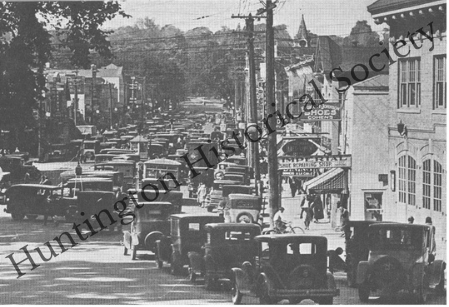
The Long Islander Long Ago
It is fun to see the topics that concerned the editors from roughly the 1840s through the 1930s. You will find that some of these issues are still around today! Hint-traffic congestion and parking for instance.

It is fun to see the topics that concerned the editors from roughly the 1840s through the 1930s. You will find that some of these issues are still around today! Hint-traffic congestion and parking for instance.
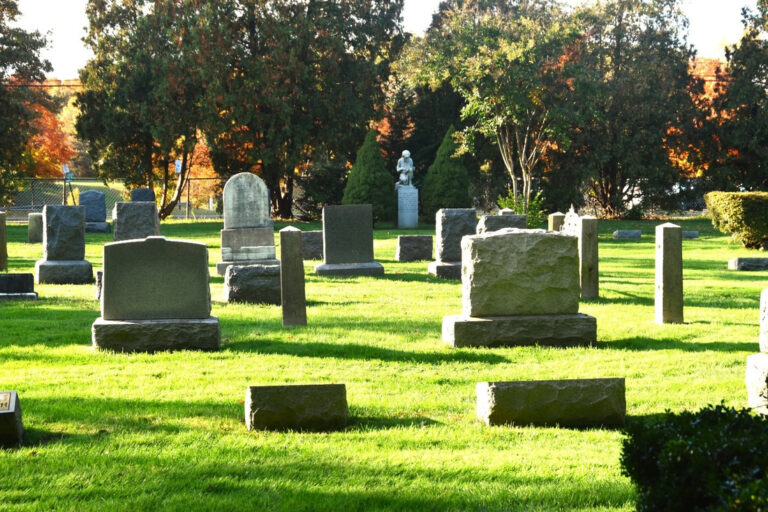
If you are fascinated by cemeteries and love to spend time reading tombstone inscriptions, looking for the graves of famous people, or simply enjoying the verdant and peaceful surroundings of park-like burial grounds then you qualify as a true taphophillac.
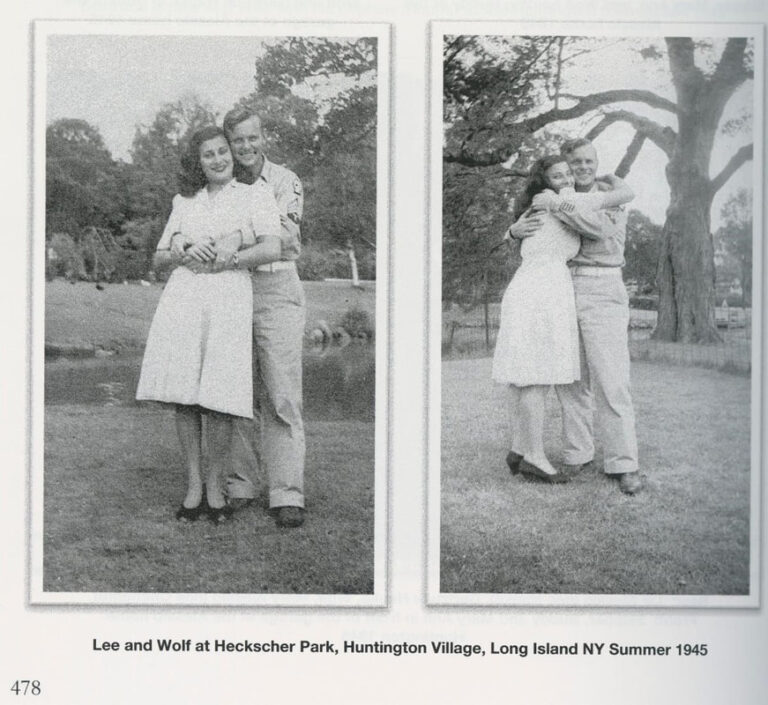
It took the COVID lockdown years later to prompt Daniel Thomas Nauke to finally read and organize the letters. He found they revealed not only a love story between his parents but also a story of immigrant families, a neighborhood, and life during WWII.
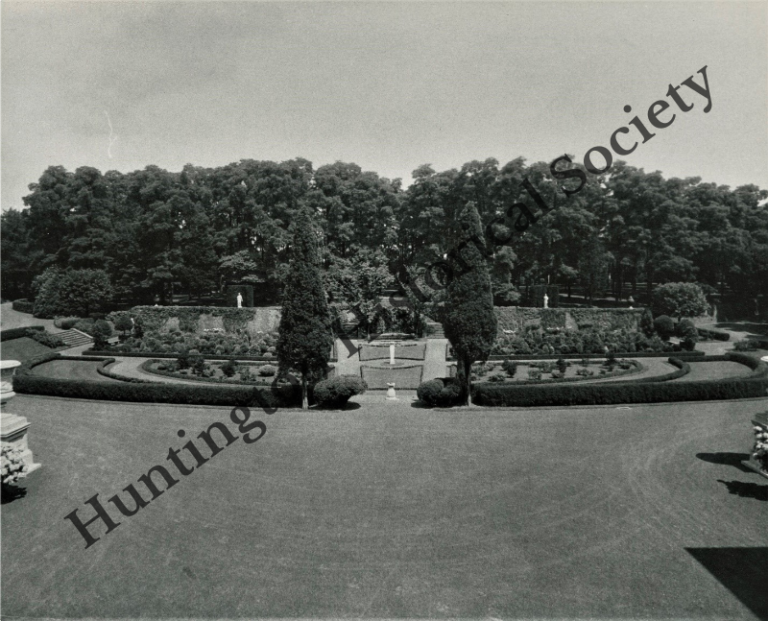
Jennings and his wife, Jean Brown Jennings, and their three children made Burrwood their summer residence. In retirement, Jennings moved permanently to Burrwood where he enthusiastically engaged in farming activities.
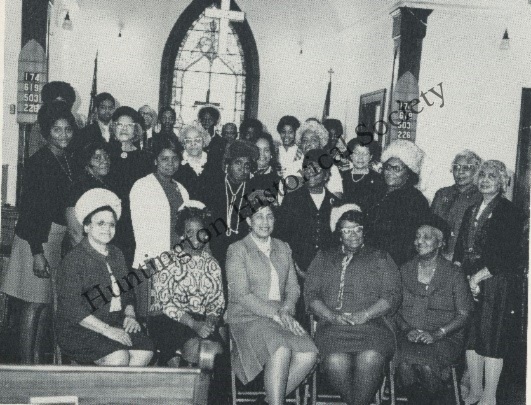
The Huntington Historical Society received a $39,000 grant from the New York State Program for the Conservation and Preservation of Library Research Materials Discretionary Grant Program to conserve and digitize 160 audio cassettes and 16 reel-to-reel tapes comprising the Society’s oral history collection.
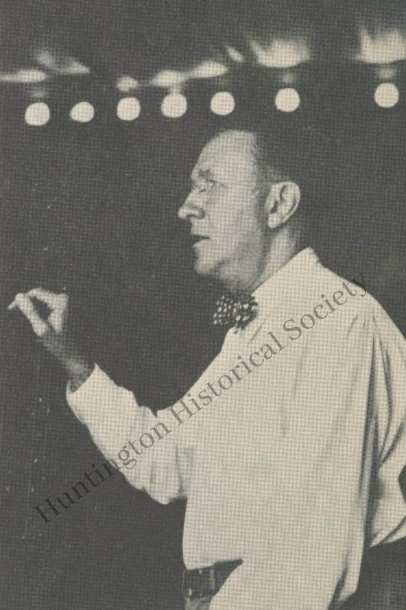
Perhaps not a household name, Waller nevertheless was responsible for over 50 patents, including patents for water skis, the Waller Gunnery Trainer and Cinerama.
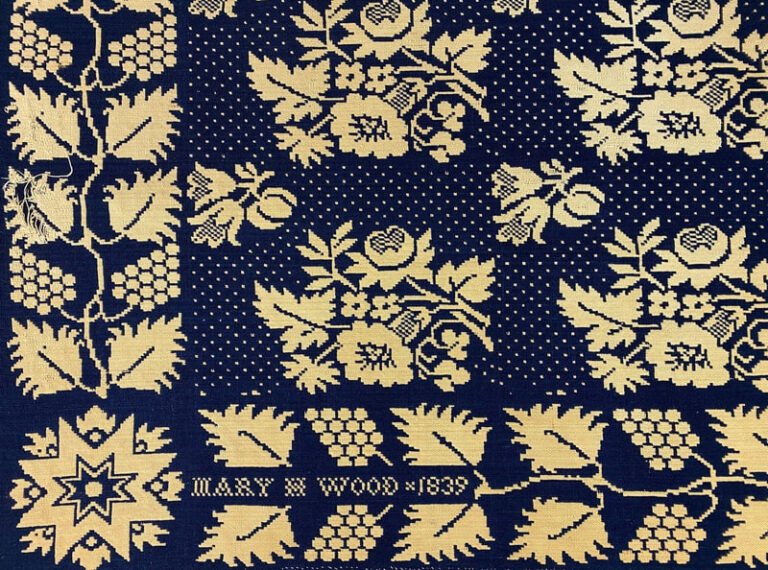
Professional weavers were almost exclusively men. Although women continued to play a vital role in supporting textile production by preparing the raw materials and finishing the cloth after it was woven, few women actually became professional weavers themselves.
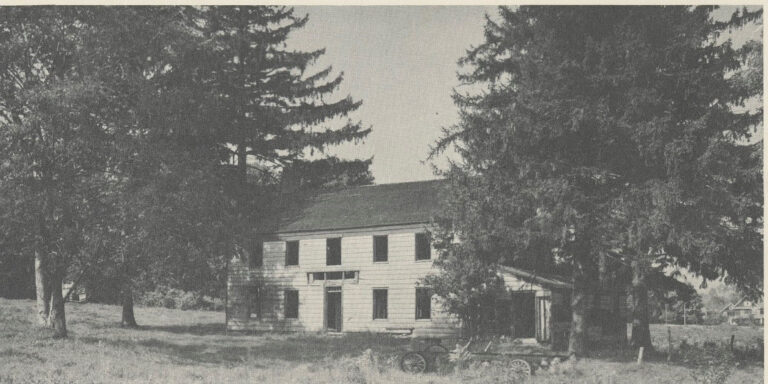
Beginning in the 17th century the Town of Huntington began to codify guidelines for taking care of their poor residents.
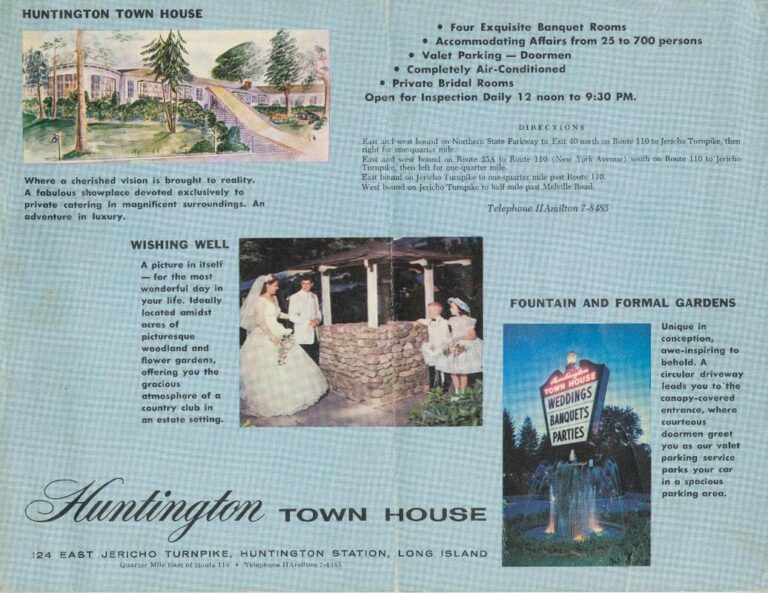
For nearly 50 years, the Huntington Town House reigned as a celebrated venue for weddings, proms, bar mitzvahs, and anniversary parties.
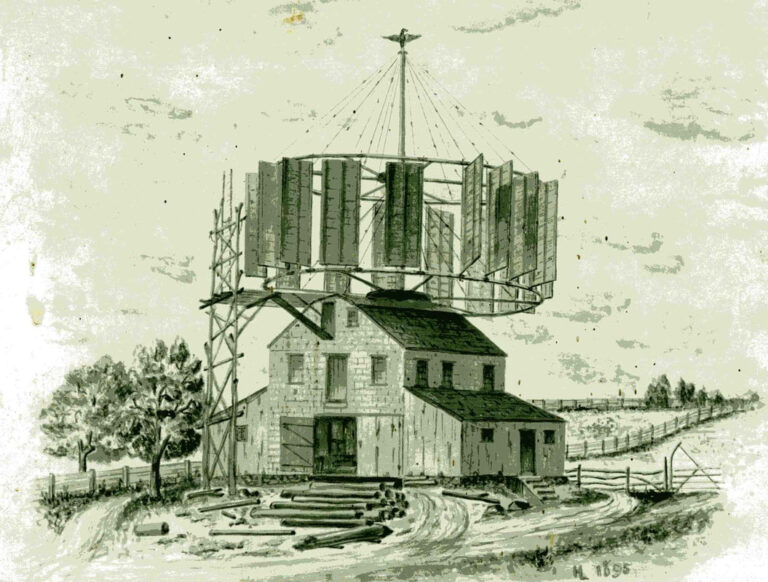
In 1923, the Lockwood House was torn down and the “Eagle,” although damaged during the 1867 hurricane, was donated to the Huntington Historical Society and is today the symbol for the Society.
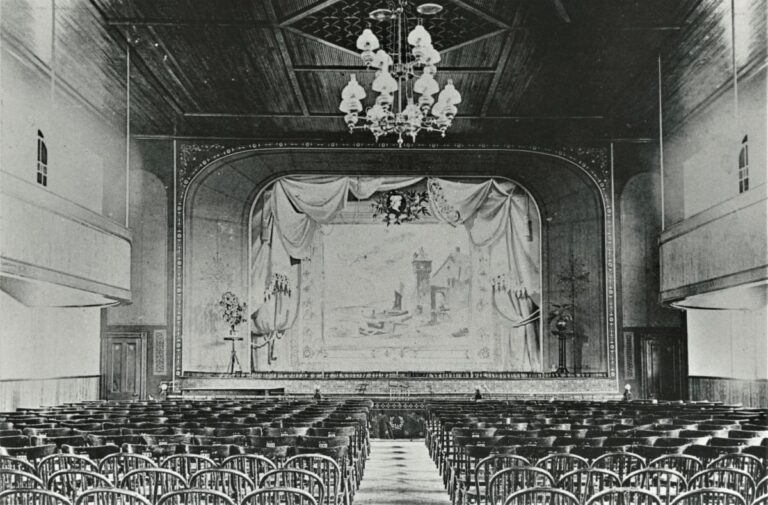
Built for $9,000 in 1892 by a consortium of local businessmen, the Huntington Opera House was a nexus for local as well as outside talent, distinguished lecturers, concerts, high school graduations, poultry and horticulture shows and political rallies.
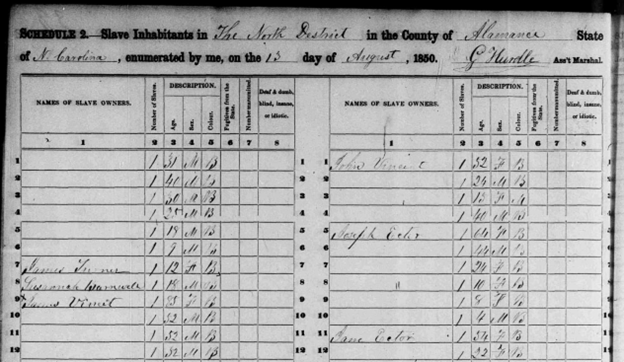
Finding enslaved African-American ancestors prior to the Civil War can be very difficult. The following article, while not exhaustive, provides information on some basic records critical to this genealogical research.