By Barbara LaMonica, Assistant Archivist
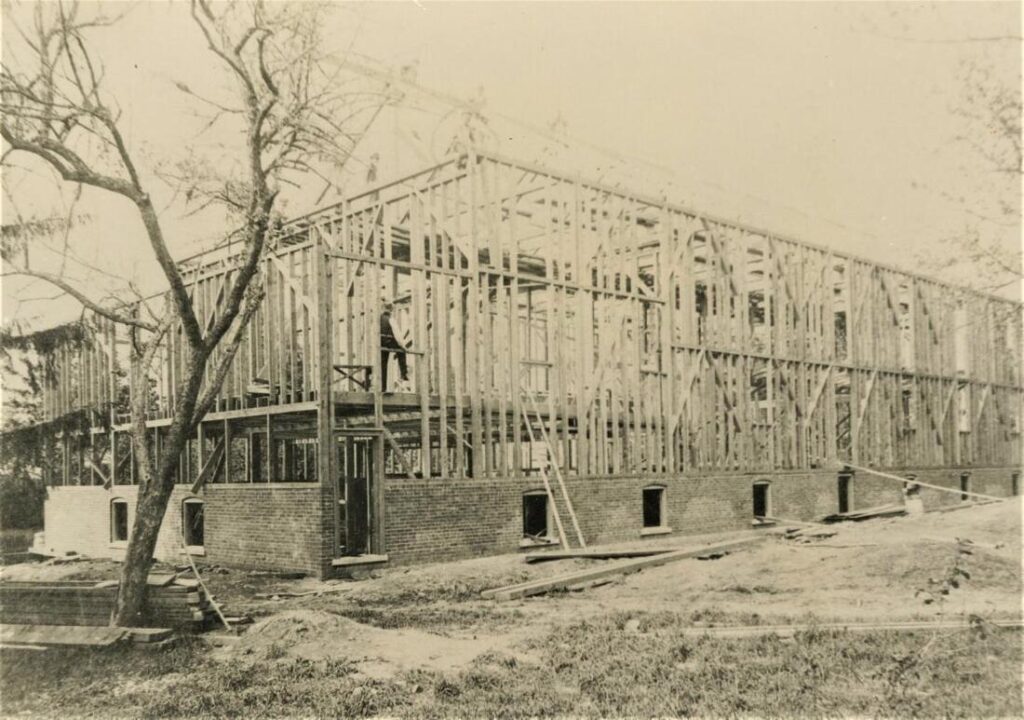
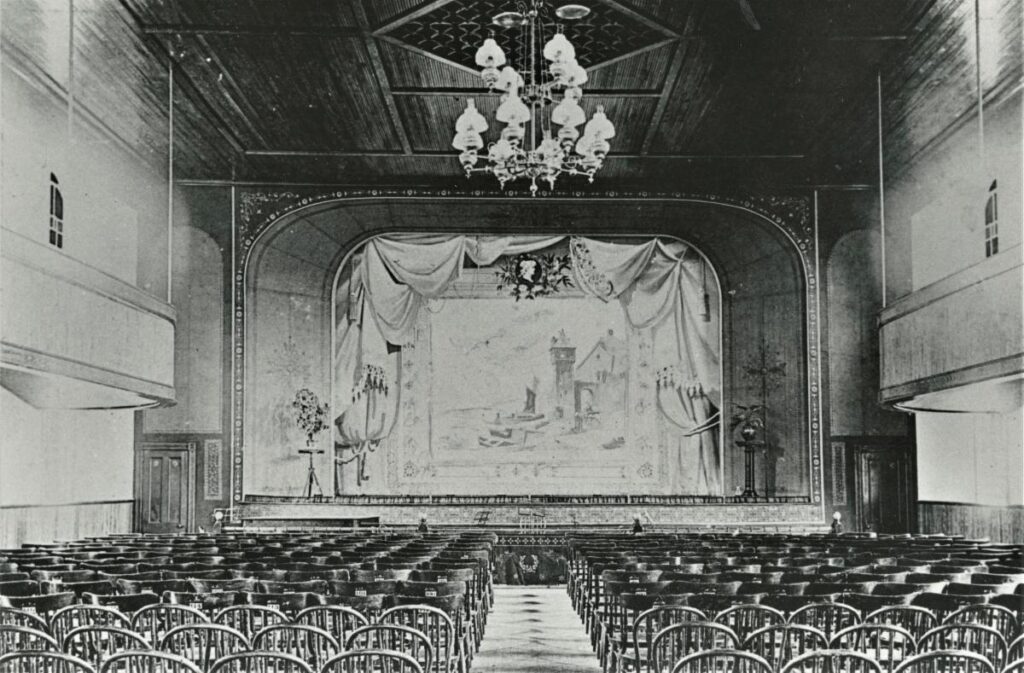
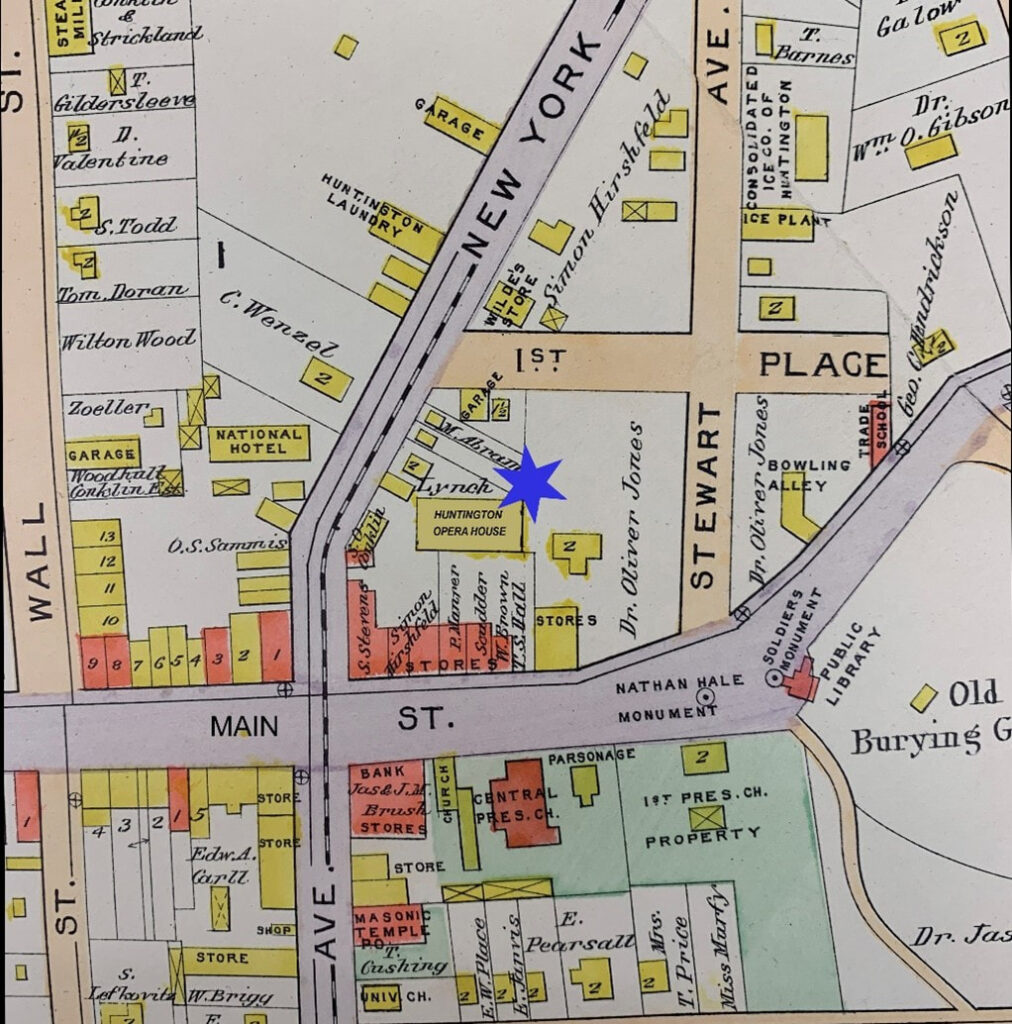
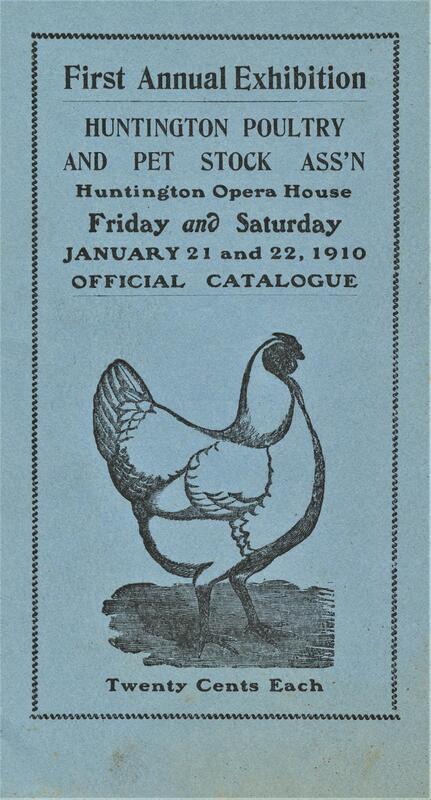
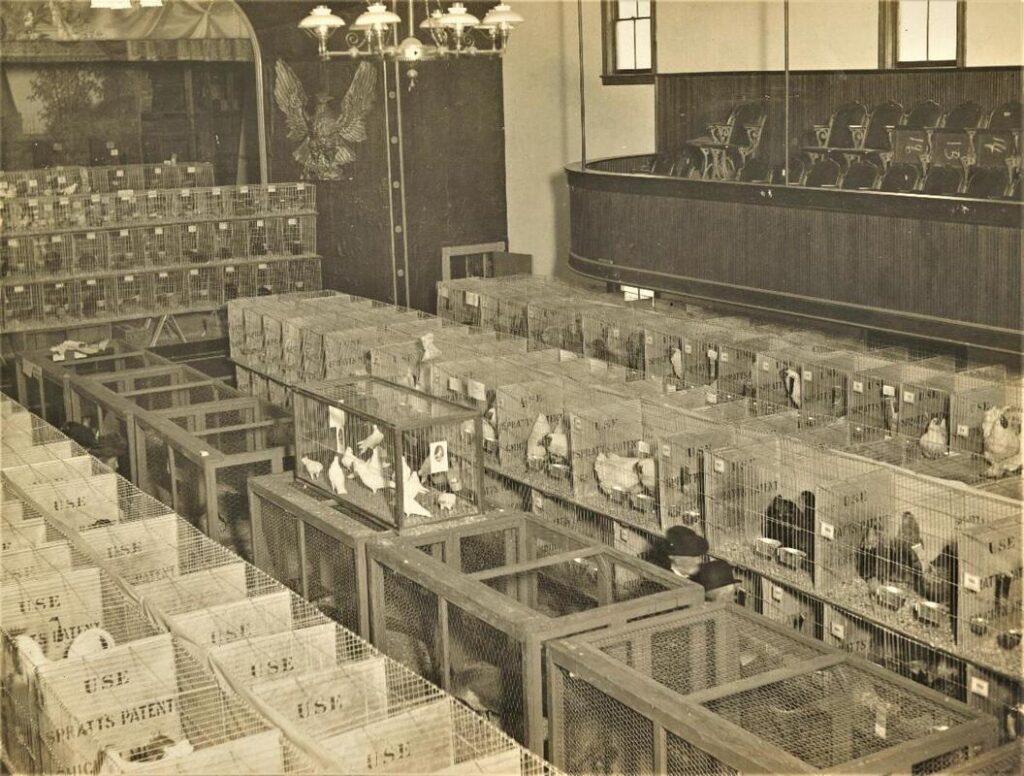
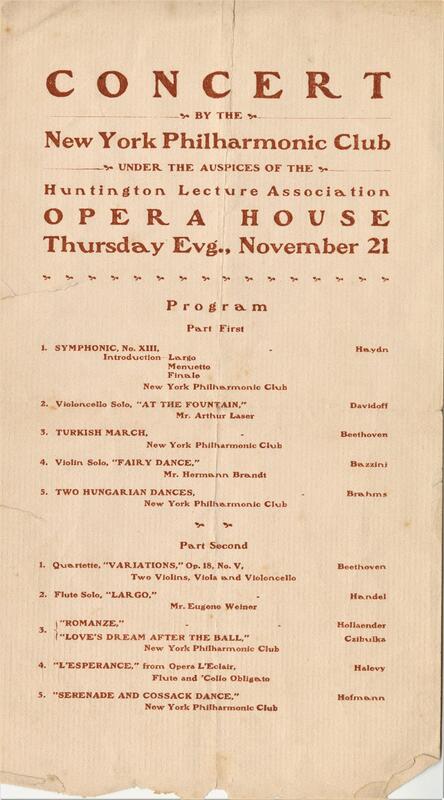
Built for $9,000 in 1892 by a consortium of local businessmen, the Huntington Opera House was a nexus for local as well as outside talent, distinguished lecturers, concerts, high school graduations, poultry and horticulture shows and political rallies. However nary an opera was performed there. In the 19th century, theaters were often called opera houses because opera was seen as carrying a hint of cultural sophistication, while theater was still considered somewhat disreputable.
In 1910, the Opera House burned to the ground. The fire, discovered around midnight is believed to have started in a cloakroom. The wooden structure burned with such ferocity that it was considered a miracle the rest of the block, consisting of various stores, was not also consumed. This was thanks to the efforts of the Huntington, Halesite, Fairground, Cold Spring Harbor, and Centerport fire departments. The firefighters laid half a dozen lines of hose to wet down the adjoining buildings, thus keeping the fire contained. Some buildings were saved by a fortuitous northwest wind that carried the sparks far above and away from the street.
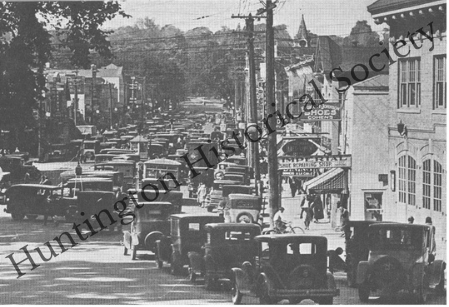
A March 18, 1910 editorial in the Long Islander advocates strongly for a new opera house as “Such a large, rapidly growing and prosperous village as Huntington cannot do long without an Opera house.” The editorial continues with recommendations for a new structure that should “be a modern, fireproof structure that will meet all the requirements of the community for twenty-five years to come by which time Huntington will be a thriving city.” As far as financing, the editorial suggests the stockholders use the insurance money, (it was insured for only $5,000), and sale from the ground to build a larger modern building on New York Avenue or Main Street.
Further funding could be obtained through donations and subscriptions.
Shortly thereafter, the directors of the Opera House Company met and were of the opinion that a new structure, estimated to cost $25,000, would be a losing proposition. Stockholders complained that the demands for a larger, fireproof building with upgraded fixtures and a $500 piano came from people who never put in a penny. Furthermore, stockholders only received one dividend at a rate of five percent but in the meantime have paid assessments at fifteen percent. Consequently, they resolved that a new Opera House not be constructed.