TITUS, ISRAEL (1744-1811). Associator, Huntington, New York. Israel Titus was born on February 16, 1744, according to “Long Island Surnames,” the database archives of Long Island Genealogy, as well as cemetery records. The son of Captain John “Jack” Titus Sr. (1684-1754) and his second wife, Martha Oldfield Wood Titus (1714-1798), Israel was born in Huntington, New York Colony. Israel’s father had initially married Sarah Platt in 1719; she died in 1740. Israel’s mother married James Huggins in 1730 and had several children with this first husband. She and Jack Titus were married in 1742. After Jack’s death, she remarried, first to Samuel Brush in 1761 and then, in 1775, to John Wood. Israel had a number of full siblings, as well as half siblings, including Jonathan (see). Some of his full siblings were Joseph (1747-1829); Abiel or Abel (1752-1841); and John (1752-1830.)
On April 18, 1768, a public auction was held, as described in Charles R. Street’s compilation, Huntington Town Records, Including Babylon, Long Island, New York 1688-1775, Volume II (1888), and the west four acres of the parsonage stock ground (the common pastureland) were leased to Israel for one year for 8 shillings and 3 pence per acre so that he could sow them with winter grain and clover.
In 1772, Israel married Temperance Norton, born on June 19, 1749, as recorded in U.S., Family History Books. Her father was George Norton of Huntington, who later showed his patriotism by signing the Association in Huntington in 1775. This declaration was recognized by both patriots and the British as a step towards rebellion. George Norton served in Captain Thomas Wickes Company, in Colonel Smith’s Regiment, which was from Huntington, as listed in Frederick Gregory Mather’s book The Refugees of 1776 from Long Island to Connecticut (1913). This regiment, also known as the Suffolk County Regiment of Minutemen and Militia, was a New York patriot unit active early in the Revolutionary War.
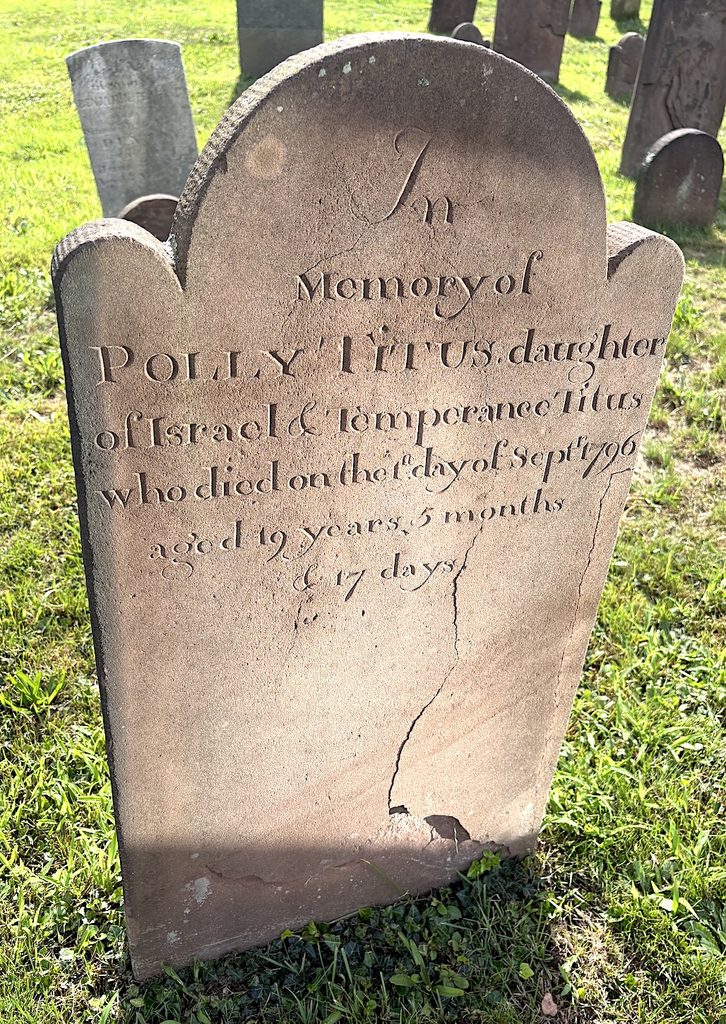
Israel and Temperance had seven children, all born in Huntington, according to “Long Island Surnames” and cemetery records: Walter (1773-1848); Amelia (1774-1863); Mary “Polly” (1777-1796); Elizabeth (1778-1801); Clara “Clary” (1781-1793); Ira (1783-1793); James (about 1784-1793); John (1787-1816.) Three of the children, ages 12, 9, and 8, died in the spring of 1793, possibly of the same communicable disease.
Mather’s The Refugees of 1776 lists Israel Titus as a signer of Huntington’s Articles of Association on May 8, 1775. Israel openly expressed his patriotism by signing this document, as did over 400 other men, most of them Huntington residents. They were furious over the earlier deadly struggles in Massachusetts between American patriots and British regulars, asserted their rights as freemen, but hoped for reconciliation. However, this did not keep Israel from being forced to assist the British Crown during the war that followed.
On both July 16 and October 13, 1777, as documented in Charles R. Street’s compilation, Huntington Town Records, Including Babylon, Long Island, New York 1776-1873, Volume III (1889), Israel was a member of the militia belonging to Captain Cornelius Conkling’s Company, ordered on duty by loyalist Colonel I. W. Cruger of the First Battalion. On May 18, 1778, these militiamen were ordered to build a fort on Lloyds Neck in Huntington. Huntington Town Records show Israel’s name scheduled to continue this work on later dates that May – May 21 and 22. As the war progressed, on November 5, 1782, Israel is on the list of those who assisted, with axes, on the work done on Fort Golgotha, a fort in Huntington erected on the site of the town’s Old Burying Ground. Resident townsmen, including Israel, were forcibly enlisted to provide the required labor or risk imprisonment, seizure of property, or exile from Long Island. An excerpt from a handout printed by the Huntington Historical Society, Old Burying Ground (17th Century) & Fort Golgotha (1782), explains that “Local inhabitants . . . were ordered to bring their spades and axes to prepare the burial ground for the new construction. As a further insult, Colonel Thompson ordered the local militia, who had been forced into British service, to deliver these orders to the local populace.” It also appears that Israel, according to Huntington Town Records, also provided straw for the effort.
Also in 1782, Israel’s property in Huntington was assessed at £60, as shown in Huntington Town Records, mid-range for his neighbors. These archives also list Israel Titus as an inhabitant of Huntington “about 1783,” after “the return of peace.”
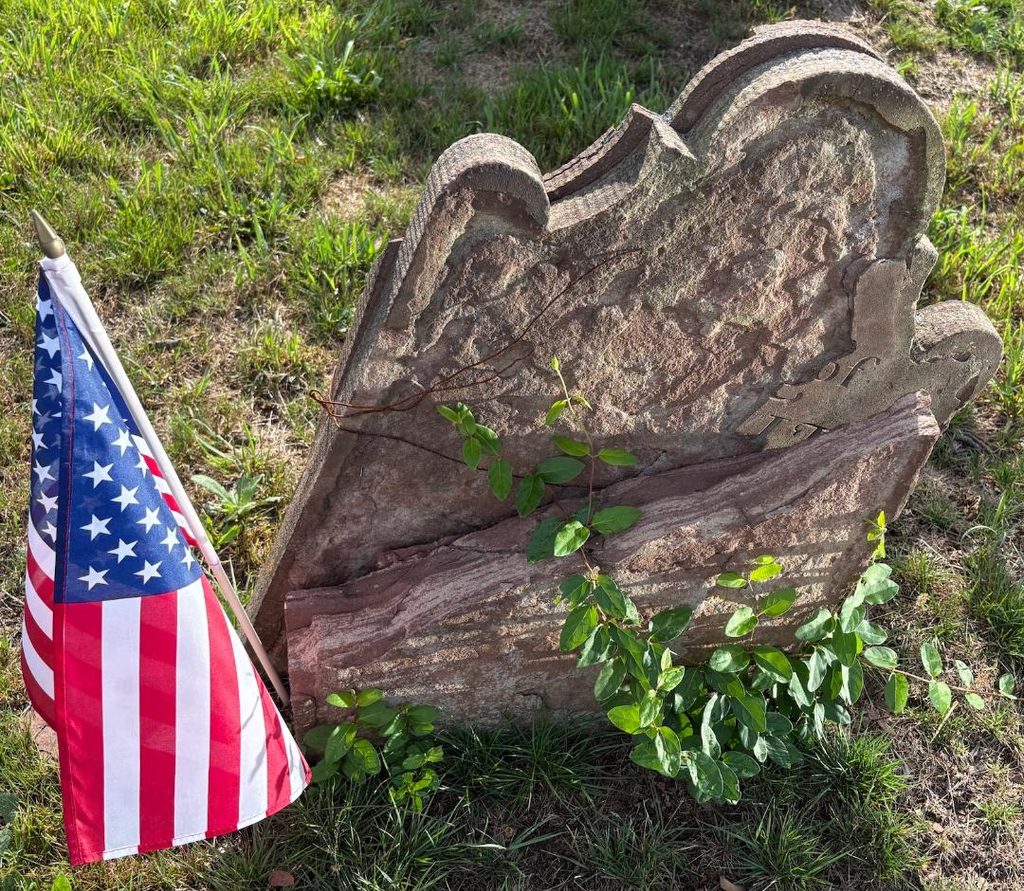
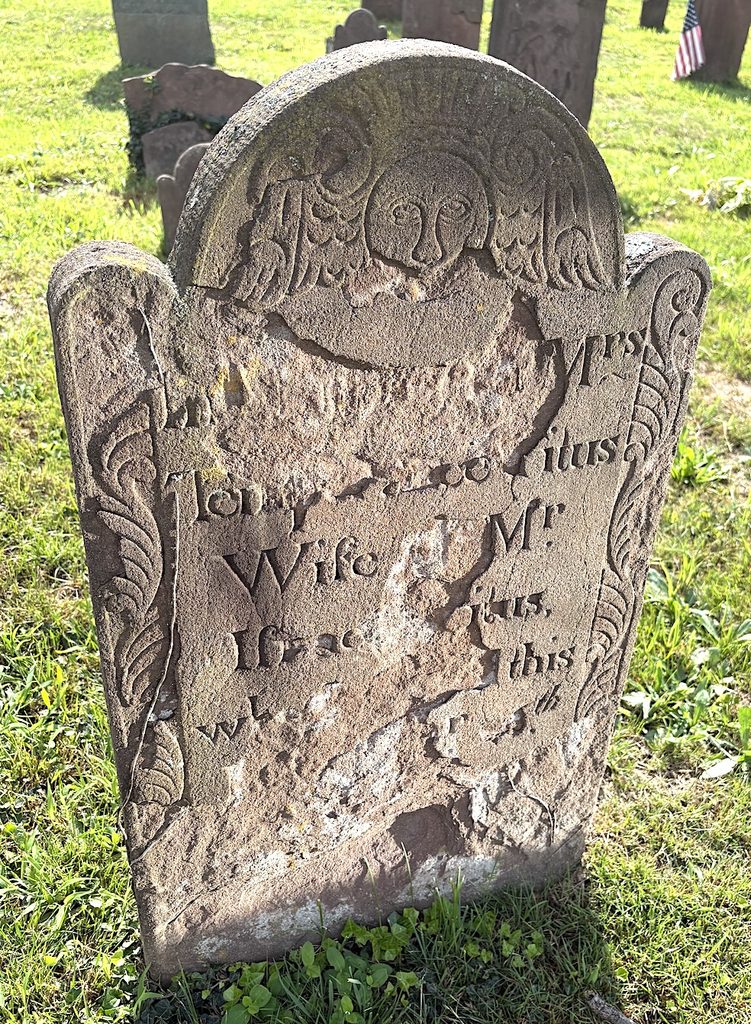
Temperance Titus died on October 26, 1789, per Cemetery Inscriptions from Huntington, Long Island, New York, compiled by Josephine C. Frost in 1911. Israel died on August 15, 1811, as documented in Mather’s The Refugees of 1776 and cemetery records. They were both interred in the Old Burying Grounds in Huntington, along with their daughters Elizabeth, Clary, and Polly, and their sons James and Ira.