By Barbara LaMonica
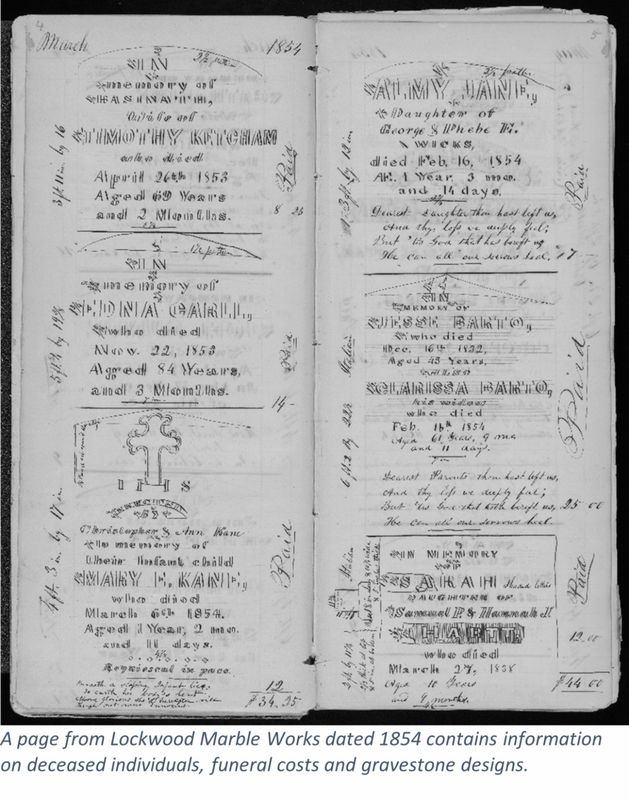
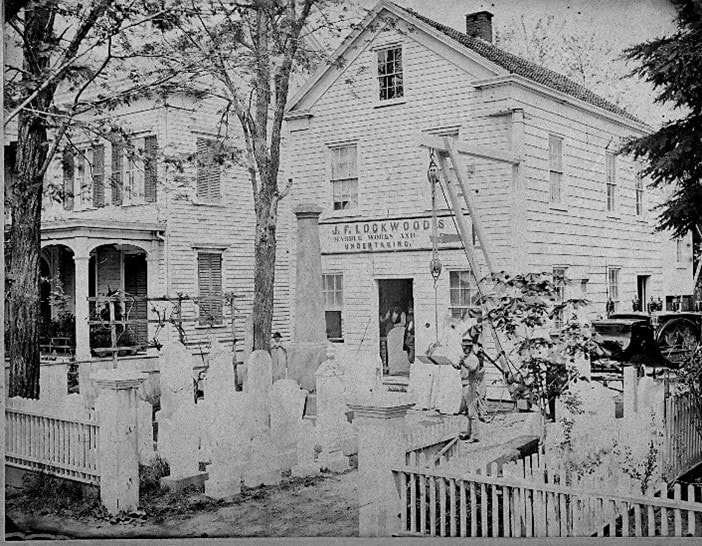
The Huntington Historical Society archives contain several hundred business and farm account books from the 18th to the 20th century. Notable examples include Lockwood Marble Works, Funnell’s Pharmacy, Henry Carll Farm, Crossman Brick Works and various general stores. Account books are a valuable primary source for historians and other researchers because they furnish a detailed description of Huntington’s economic history. We can learn about early occupations, systems of payment and barter, hiring and wages, and the flow of goods and supplies that reflect patterns of consumption as well as changes in the material culture.
Early bookkeeping required two books; a day book and a ledger. A day book resembles a diary in which daily transactions (or what would later become daily register receipts) were entered in chronological order. At the end of each day that data would be recorded in the ledger. The ledger keeps track of each individual account and shows all debits and credits.