By Barbara LaMonica
Did you know that your family papers or artifacts can contribute to the social history of the Town of Huntington community? Family letters, diaries, photographs, scrapbooks, fliers and brochures donated to the archives reflect interactions between individuals and families with local organizations, businesses, special events, charities, and general social trends. Historians have long acknowledged how family stories can intertwine with not only local but national events. For example, histories of wars are augmented by family military service records, war medals, photographs of soldiers and correspondence.
Family heirlooms such as textiles, ceramics, kitchen items, furnishings, dolls, and tools can be donated to our museum collections. These objects often reveal a family story or a particular individual’s collecting interest or specific skill. Objects made in Huntington such as pottery, tools or milk bottles reveal information on past industries that were endemic to our area such as dairy farms and pottery production.
What are the advantages of donating your family papers or heirlooms to the Huntington Historical Society’s archives or museum collection? First and foremost, donating these items makes your family permanent part of local history. Secondly, the preservation of your materials is ensured through closely monitored environment controls such as temperature, humidity, pest control, proper lighting and storage. And even though your family may not be “famous,” in future years social historians, genealogists, writers and many other may find your papers or objects interesting and valuable to their work.
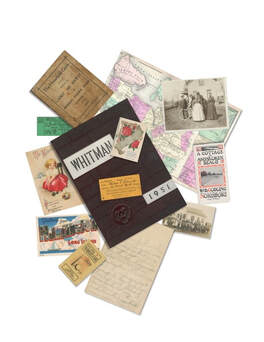
Examples of some of your personal records that could have historic value to the archives include:
· Letters
· Memoirs/Diaries
· Photos/Postcards
· Genealogical Information
· Articles (materials relating to local events, celebrations, etc.)
· Legal Documents
· Awards, Certificates
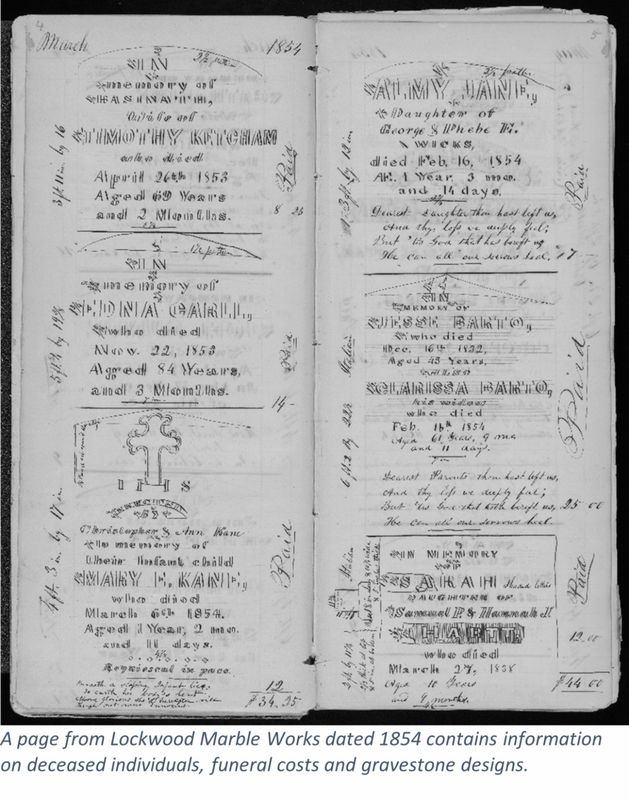
· Business Records (billheads, receipts etc.
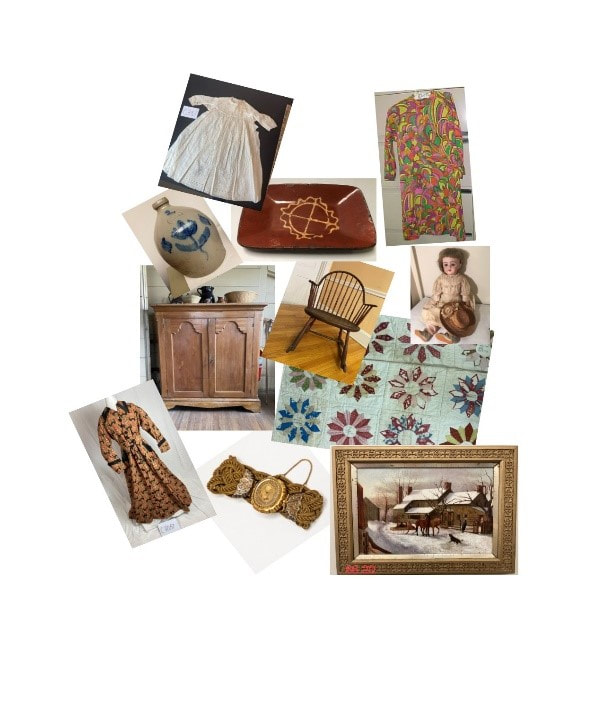
Examples of some of your heirlooms that could have historical value to the museum collection include:
· Business signage
· Textiles
· Ceramics
· Vintage Clothing
· Furniture
· Tools
· Vintage Jewelry
· Toys and Dolls
If you are going through inherited family materials contact us in advance so we can determine if the items are appropriate for our collections. You do not need to cull or reorganize materials but you should provide background information such as identifying people or places in photographs or stories behind them. There may be incidents when the we cannot accept everything that you offer either due to space constraints or the fact that the materials may not fall within the collecting mission of the Huntington Historical Society.
We do collect items from all eras, but we are especially looking for materials from the 50s,(including Korean War era), 60s,( Including Vietnam and counterculture era) 70s and 80s.
Since a great deal of work hours goes into processing your collection we cannot accept items on loan. Donors will be asked to sign a Deed of Gift which states that the items will be the property of the Huntington Historical Society. Access to the items is usually open to all researches but if you have concerns about some material being sensitive you can request that they are deemed restricted.
Contact information about donations:
[email protected]