Chasing Whitman
June 2019 – August 2020 In honor of the bicentennial (200th anniversary) of Walt Whitman’sbirth, is “Chasing Whitman: Huntington’s Prodigal Son”, which explores Whitman’s legacy in Huntington.

June 2019 – August 2020 In honor of the bicentennial (200th anniversary) of Walt Whitman’sbirth, is “Chasing Whitman: Huntington’s Prodigal Son”, which explores Whitman’s legacy in Huntington.

The Town of Huntington, as we know it today, extends from the Nassau County line to the Smithtown line in Commack. And, from the Long Island Sound on the north to the Babylon Town Line in the south. But, it wasn’t always that way.

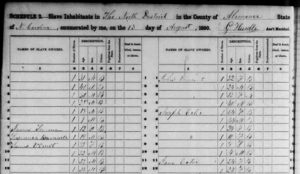
According to The Long Island Museum’s 2019 exhibit “Long Road to Freedom: Surviving Slavery on Long Island,” in 1749 14% of the population of Suffolk County was comprised of enslaved persons.

Typically made of paper, ephemera is the name given to collectible memorabilia that was intended for one-time or short term use. Examples include ticket stubs, political flyers, advertisements, maps, invitations, and greeting cards.

Miss Kim’s Class Goes To Town is a glimpse into the rich history of the Town of Huntington written by a local high school senior, in order to spark curiosity and foster a love of history in young minds.

On the night of January 13th, 1840, midway through the ship’s voyage through the Sound, the casing around the ship’s smokestack caught fire. Unfortunately, it igniting nearly 150 bales of cotton that were stored on deck aft of the smokestacks! (Bad idea!)

This beautiful memorial exhibit honors longtime Huntington Historical Society quilter and instructor, Joan Orr. Quilts collected and made by Joan will be on display.

Growing up in England I always loved the look and feel of an English Cottage garden. I used that inspiration when I was creating the walled flower beds and pathways. My vision was to be able to walk through the pathways and discover a new type of flower or plant around every corner.

“Poetry in Thread” celebrates one of our most delicate and beautiful textiles. Our exhibit will introduce you to the history and technique of lace making from the 17th century to today. With almost 50 items on display in the Dr. Daniel Kissam House, you’ll see examples of beautiful hand and machine-made lace, many from the 19th century.

The history of parasols and umbrellas goes back thousands of years in Egypt, China and India where the use has been for protection from the sun and its heat. Only in the past few hundred years have umbrellas been used for rain protection.

“Poetry in Thread” celebrates one of our most delicate and beautiful textiles. This exhibit was shown throughout the Dr. Daniel Kissam House and introduced visitors to the history and technique of lace making from the 17th century to present day. Nearly 50 examples of beautiful hand and machine-made lace were on

“There are some things that a bride must remember: her bodice must be high in the neck; her sleeves reach quite to the wrists, and her gown must be full, unbroken folds that show the richness of the material, and there must not be even a suggestion of such frivolities as frills or ribbons of any kind.”