Born a slave in 1856 in Virginia, Booker T. Washington rose to become a renowned spokesperson for African Americans. Washington’s belief that African Americans could advance themselves through education in the trades and industrial arts prompted him to establish the Tuskegee Institute in Alabama in 1881.
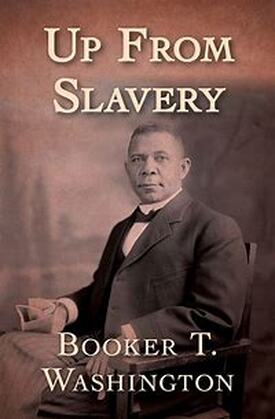
Washington was well respected as an orator and author. Of his 14 books, his autobiography “Up from Slavery” (published in 1901) became the most well-known. His writings gained him national influence in education and politics and led him to become an advisor and friend to Presidents Theodore Roosevelt and William Howard Taft. In 1901, Washington was invited to dine with Roosevelt at the White House, a radical invitation that led to much outcry from southern politicians and press.
Washington In Huntington
When the school session ended at Tuskegee, Booker T. Washington would head north to Long Island for summer vacation and fundraising. Before purchasing a home in Fort Salonga, Washington summered at the Van Wyck Farm in Lloyd Harbor.
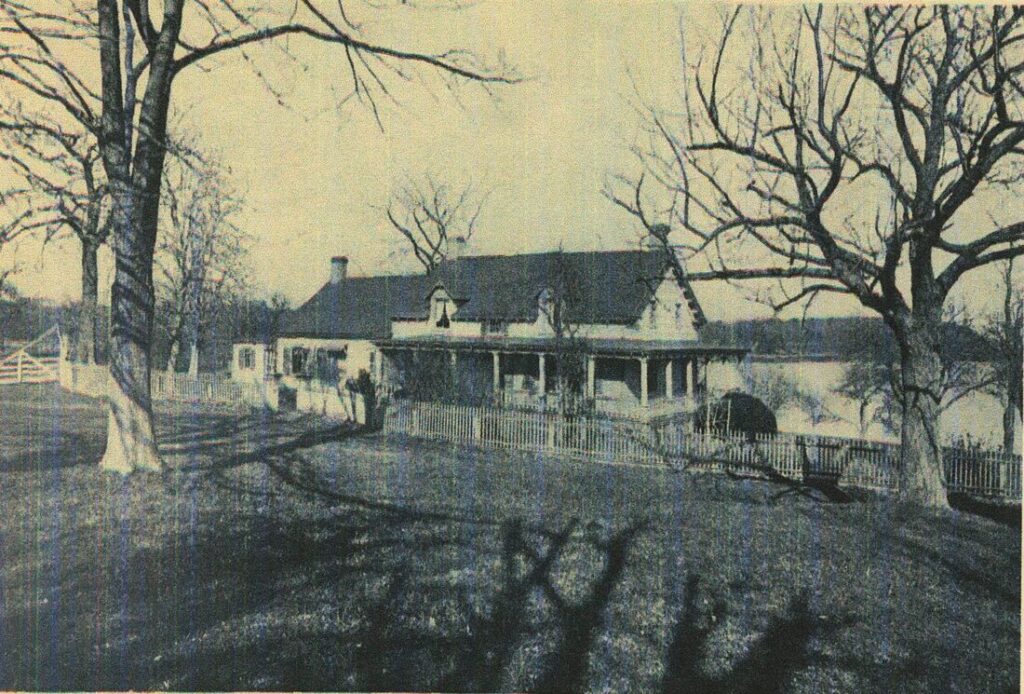
In 2021, a descendent of the Lloyd Harbor Van Wyck family donated three letters from Washington that refer to his stay on the Van Wyck Farm. The letters are now part of the Society’s collection and provide insight into his time there.
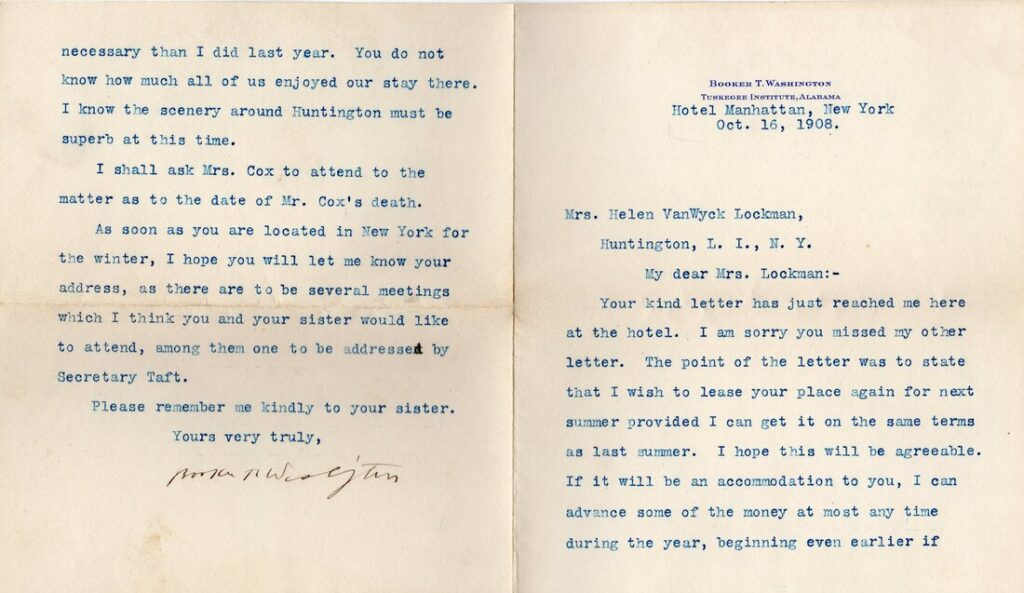
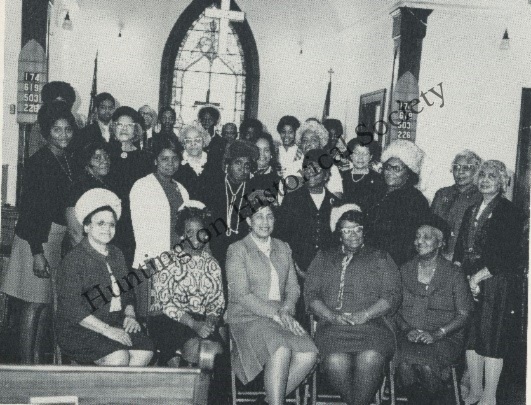
While in Huntington, Washington gave several talks at the local Opera House, as well as a commencement speech at Northport High School. He also taught Sunday School at Bethel AME Church.
Most locals know that Washington purchased a property in Fort Salonga, but it is less commonly known that he also acquired a house in Huntington Village.
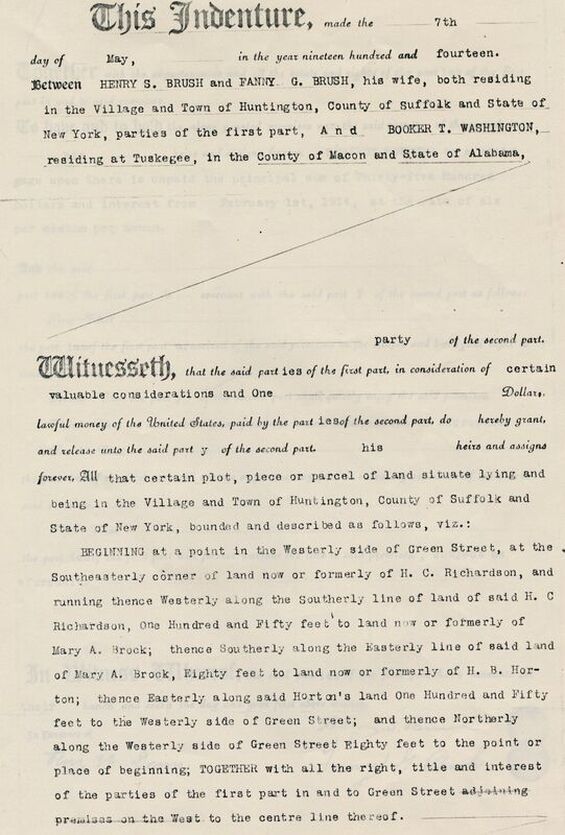
According to this deed dated May 7, 1914, Henry and Fanny Brush transferred property at 43 Greene Street, Huntington to Booker T. Washington. The house still stands today and is the location of Finley’s Restaurant.
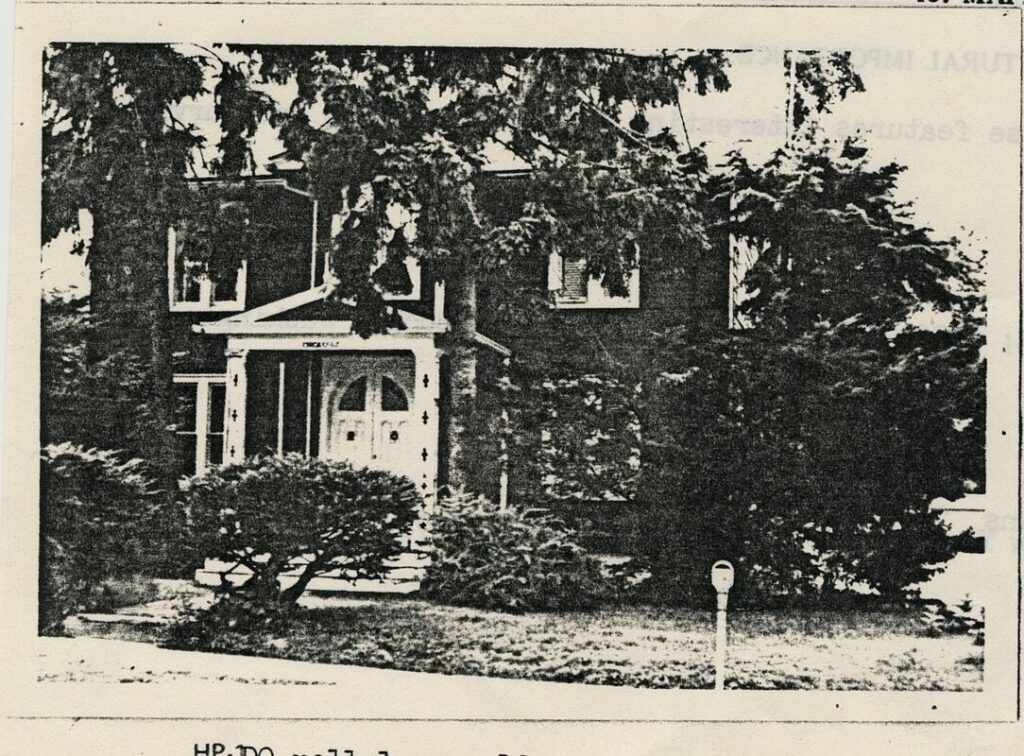
It is not known what Washington planned to do with the home as he passed away within a year of purchase.